



1. The 2026 E-commerce Reality: The “Blink or Lose” Economy
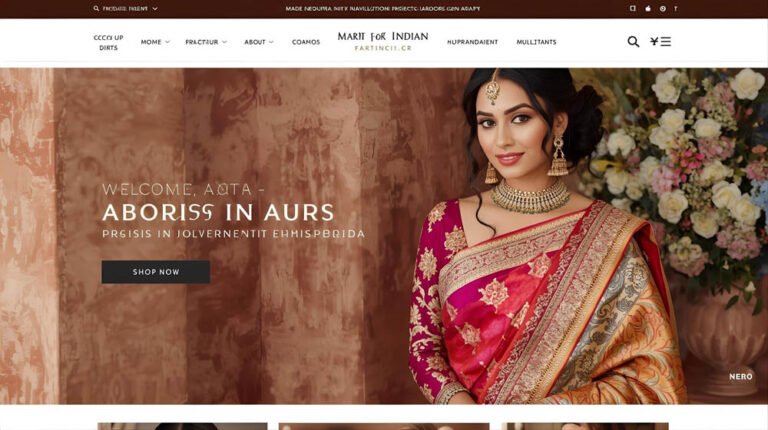
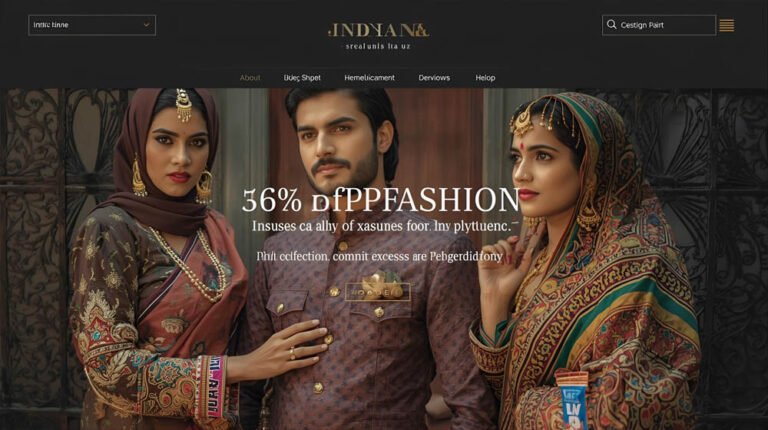
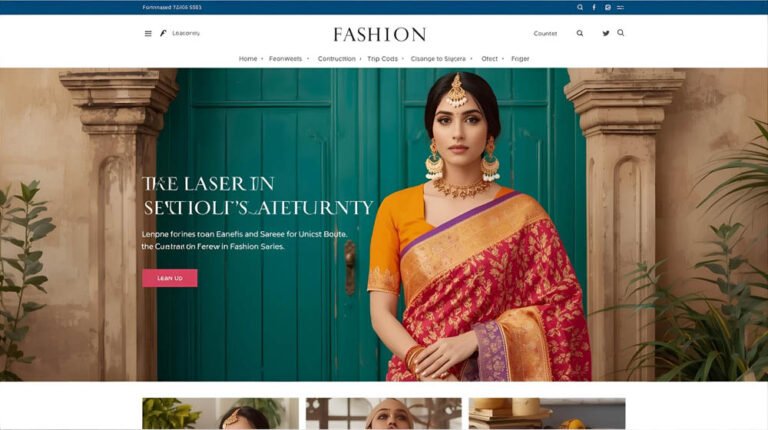
If you are looking to buy an e-commerce website in 2026, you aren’t just buying a “shop.” You are buying a Conversion Engine. The days of people patiently browsing through twenty pages of a catalog are gone. In the fast-paced life of Kolkata, from the busy offices of Sector V to the trendy cafes of South City, your customers are shopping in the “in-between” moments—waiting for a cab, during a lunch break, or while scrolling through social media.
Your website design must reflect this. If it takes more than two taps to get from a “Product View” to a “Success Screen,” you are losing money. Designing for e-commerce in 2026 is about removing friction you didn’t even know existed.
2. The Social-Commerce Hybrid: Designing for the “Scroll”
In 2026, the best e-commerce websites don’t look like traditional stores; they look like curated social feeds.
- The “Story” Interface: We design product pages that function like Instagram Stories or TikTok clips. Instead of a static “Description” box, the website uses short-form video loops of the product in action.
- Shoppable UGC (User Generated Content): A high-converting design now includes a live feed of your customers from Park Street or New Town wearing your products. This “Social Proof” is integrated directly into the checkout flow.
- Why this works for Kolkata: Our city thrives on “Adda” and recommendations. By designing a site that feels like a conversation, you build the trust required to close high-ticket sales.
3. The “Kolkata-Speed” Checkout (One-Tap Dominance)
If you are investing in a new e-commerce site, the “Checkout Page” is the most expensive piece of real estate you own. In 2026, we have moved past the “Shipping Address -> Billing Address -> Payment” multi-step headache.
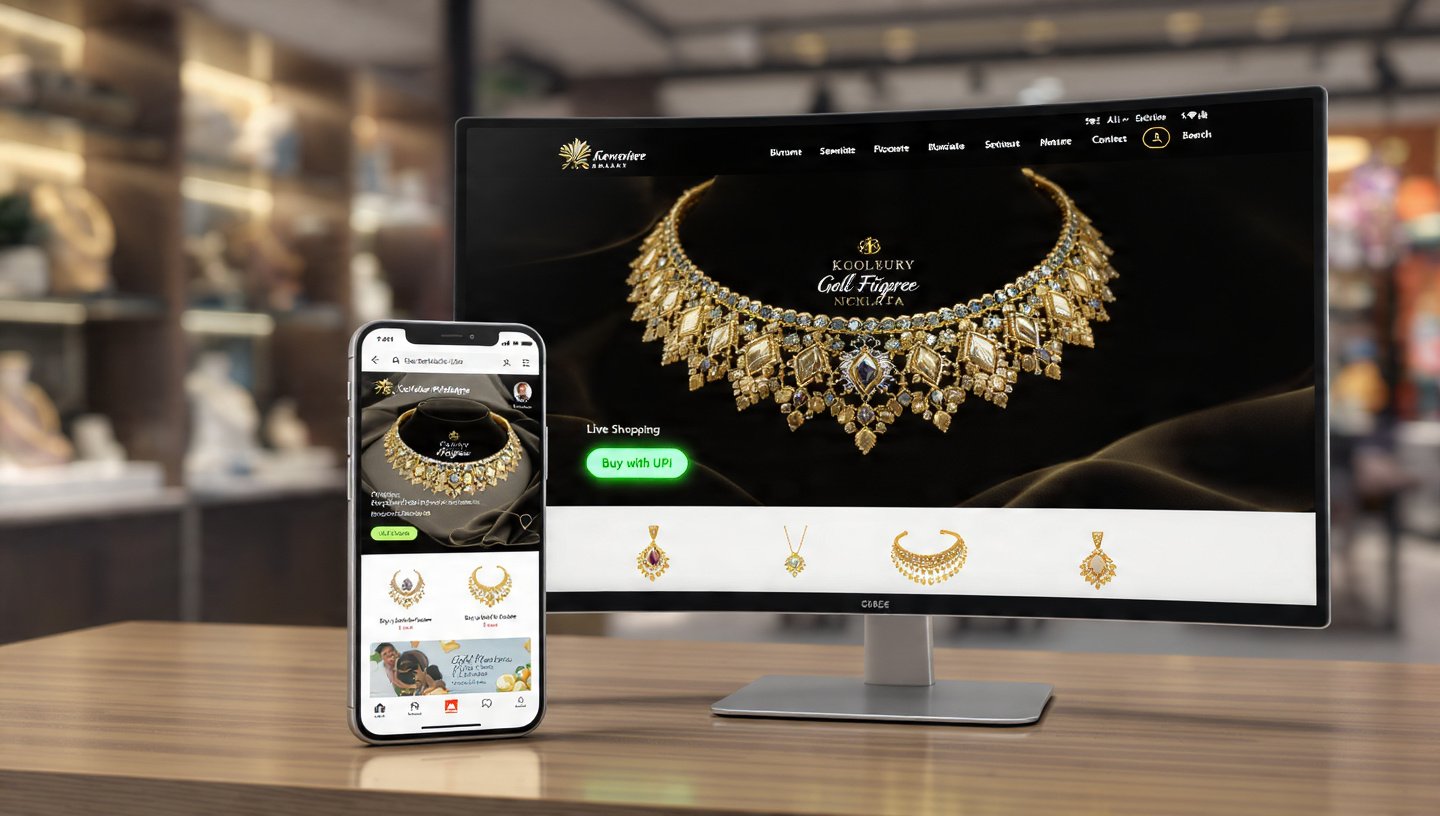
- UPI-First Design: For the Indian market, and specifically the tech-savvy crowd in Kolkata, the UPI button must be the hero of the page. We design “Sticky Checkouts” where the payment option is always within thumb-reach.
- Biometric Authentication: Modern e-commerce sites now use the phone’s FaceID or Fingerprint sensor to authorize payments instantly. No more typing OTPs while standing in a crowded Metro.
- Predictive Logistics: The design should automatically detect the user’s location (be it Howrah or Tollygunge) and show the exact delivery time—“Get it by 8 PM tonight”—before they even click ‘Buy’.
4. The “Virtual Showroom”: AR and AI Integration
For a business owner selling furniture, jewelry, or high-end fashion, the biggest hurdle is the “Will it fit?” or “How will it look?” question.
- AR Try-On: We design custom modules where a customer can use their camera to “wear” a pair of glasses or see how a sofa looks in their Salt Lake living room.
- AI Stylist: Instead of a generic “Related Products” section, 2026 e-commerce designs include an AI assistant that suggests outfits based on the current weather in Kolkata or the specific event the user is shopping for (e.g., a wedding at PC Chandra Gardens).
5. Technical Comparison: Why Your Platform Choice Matters
When you buy an e-commerce website, you need to know what’s under the hood. Here is how the top tiers compare for the 2026 market:
| Feature | Middle-Market (Shopify/Woo) | Enterprise (Custom Headless) |
| Load Speed | 1.8 – 2.5 Seconds | Under 0.8 Seconds |
| Customization | Template-based with limits | Total Creative Freedom |
| Scalability | Good for up to 10k SKUs | Infinite / Multi-region ready |
| Mobile UX | Responsive | App-like (PWA) Performance |
| AI Integration | Plugin-dependent | Native, Proprietary AI |
6. Mobile-First is Now “Mobile-Only”
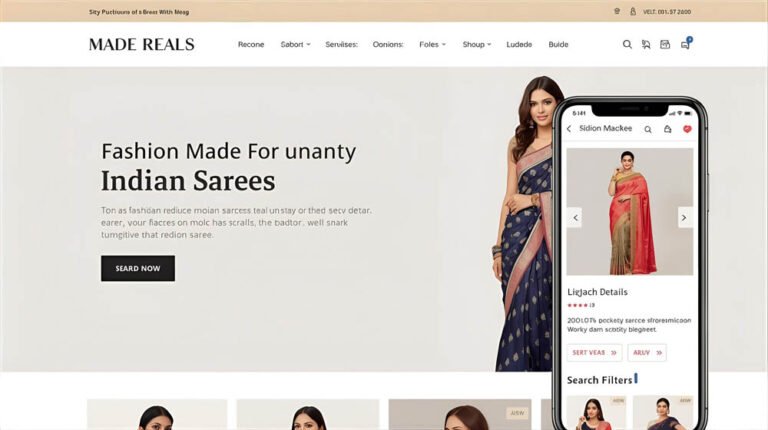
85% of e-commerce transactions in West Bengal happen on mobile devices. When we design your store, we don’t just “shrink” the desktop version.
- Thumb-Zone Mapping: All critical buttons (Add to Cart, Buy Now, Chat) are placed in the “Natural Thumb Zone” at the bottom of the screen.
- Micro-Animations: We use haptic-style animations. When a user adds an item to their cart, the phone gives a subtle visual “pulse” that reinforces the satisfaction of the purchase.
- Dark Mode Optimization: Since a large portion of shopping happens late at night, your design must be “OLED-Ready” to save battery and reduce eye strain for the midnight scroller.
7. FAQ: Buying an E-commerce Website in 2026
- Q: How much should I expect to invest in a high-converting store?
- A: For a professional, 2026-ready e-commerce site in Kolkata, budgets typically range from ₹1.5 Lakhs for a high-end Shopify setup to ₹10 Lakhs+ for a custom-engineered headless storefront.
- Q: Will I be able to manage the inventory myself?
- A: Yes. Modern designs include an “Admin Dashboard” as simple as using an iPad. You can update prices, add products from your warehouse in Tangra, and track sales in real-time from your phone.
- Q: Can it handle seasonal spikes like Durga Pujo?
- A: If designed correctly on a “Cloud-Native” infrastructure, your site will automatically scale its server power. Whether you have 10 visitors or 10,000, the site will stay lightning-fast.
Conclusion: Your Store is Your Best Salesman
An e-commerce website in 2026 is not a digital catalog; it is a high-performance retail environment. It should greet your customers, answer their questions, show them how the product fits their life, and make the payment as easy as a handshake. If your current site feels like a “form” that needs to be filled out, you are losing the psychological war of retail.
At our Alipore studio, we design e-commerce experiences that don’t just “list” products—they sell them. We combine the latest in AI, AR, and frictionless payment tech to ensure your Kolkata brand can compete with global giants.
Is your online store ready to scale?
Let’s do a “Checkout Friction Audit.” We’ll walk through your current site (or your competitor’s) and identify exactly where users are dropping off, then show you a 2026 design blueprint that turns those bounces into bank credits.