

1. The Democratization of the Masterpiece
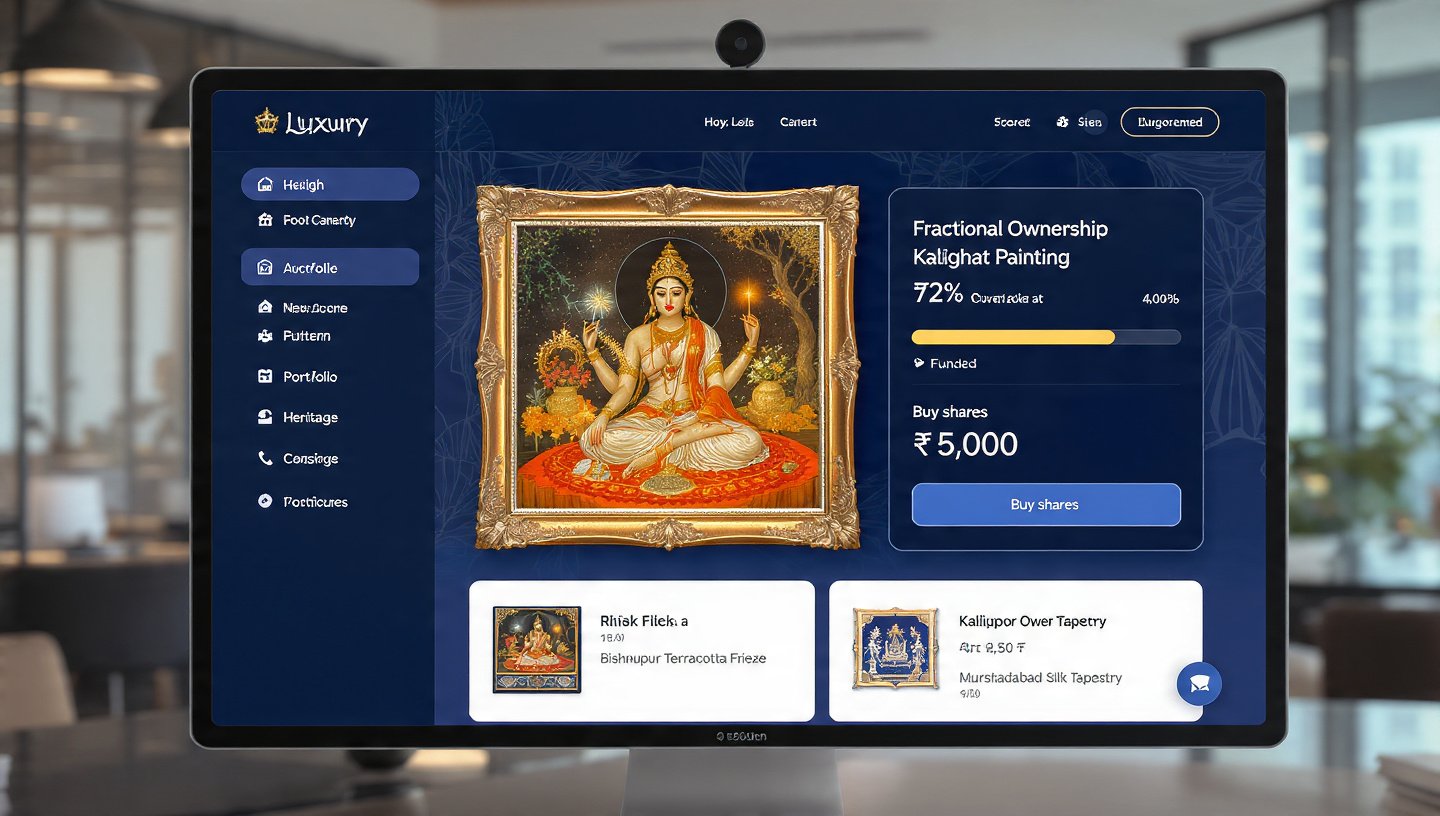
By February 2026, the definition of an “Art Collector” has changed. You no longer need ₹50 Lakhs and a private gallery to own a piece of Bengal’s history. Through Fractional Ownership, a young professional in New Town can own 1% of a rare Kalighat Pat or a museum-grade Dokra bronze for the price of a weekend dinner.
For our final post in the Heritage Tech Loop, we are looking at the most sophisticated custom build of 2026: The Heritage Equity Portal. This isn’t just an e-commerce site; it’s a high-compliance fintech platform that treats art as a financial asset.
2. How it Works: The Tokenization Engine
When we design a custom fractional platform, the magic happens in the backend “Tokenization Engine”:
- Asset Securitization: A physical masterpiece is legally moved into a Special Purpose Vehicle (SPV) or a Trust.
- Smart Contract Minting: Our custom code divides the value of that asset into thousands of digital tokens (e.g., 10,000 shares at ₹500 each).
- The “Proof of Custody” Ledger: The website provides a live link to the secure vault in Kolkata where the physical item is stored, insured, and climate-controlled.
3. Compliance-First UI: Navigating PMLA & Budget 2026
As of February 2026, India has strict reporting requirements for Virtual Digital Assets (VDAs). A custom build must be “Compliance-Native”:
- Automated VASP Reporting: Following the PMLA VASP Notification, our portals automatically generate the required “Reporting Entity” statements for the Ministry of Finance.
- TDS & Tax Calculators: Under the Budget 2026 guidelines, the platform automatically deducts the 1% TDS on every share transfer and calculates the 30% tax on gains, providing the user with a pre-filled tax certificate.
- E-KYC Integration: We use Aadhaar-linked biometrics for instant investor onboarding, ensuring that every “shareholder” is verified before they can bid on a piece of heritage.
4. The Secondary Market: Creating Liquidity
The biggest flaw in traditional art is that it’s “Illiquid”—it takes months to sell. A 2026 custom portal solves this with a Secondary Trading Desk:
- P2P Share Exchange: Users can list their 1% share of a sculpture for sale to other users on the platform. The smart contract handles the transfer of ownership and the “Royalty Split” (where a percentage of the sale goes back to the original artisan or the preservation fund).
- Live NAV (Net Asset Value): We integrate AI-driven appraisal tools that update the “Market Value” of the shares based on recent auction results for similar artists from Christie’s or Sotheby’s.
5. Comparison: Traditional Art Buying vs. Fractional Heritage Equity
| Feature | Traditional Buying (2024) | Fractional Heritage Equity (2026) |
| Entry Price | Very High (₹10L+) | Low (Starting at ₹500) |
| Liquidity | Low (Months to sell) | High (24/7 Secondary Market) |
| Maintenance | Owner’s responsibility | Professional Custodial Management |
| Authenticity | Physical Certificate | On-Chain Immutable Provenance |
| Diversification | One piece of art | Portfolio of 10+ Masterpieces |
6. Use Case: The “Chitpur” Restoration Fund
A group of collectors in North Kolkata wanted to fund the restoration of a massive 18th-century library:
- The Build: We created a portal where the library’s rare manuscript collection was tokenized.
- The Result: 5,000 small investors from across India bought “Restoration Shares.” The library was saved, and as the manuscripts increased in cultural and historical value, the “shares” appreciated, allowing investors to exit with a 12% profit in the secondary market.
7. FAQ: Fractional Art Investing
- Q: “Do I ever get to see the physical art?”
- A: Yes. Most platforms we build include ‘Shareholder Open Days’ where co-owners can visit the physical gallery in Kolkata to view their investment in person.
- Q: “What happens if the platform shuts down?”
- A: Because the ownership is recorded on a public blockchain and the art is held by an independent legal trust, your shares remain valid and can be moved to a different management portal.
- Q: “Is this legal for NRI investors?”
- A: In 2026, the Unified Trade Framework allows NRIs to invest in Indian VDAs through designated ‘FCNR-Linked Wallets’ which we integrate into the portal.
Conclusion: Preserving Heritage through Profit
In 2026, the best way to save Kolkata’s heritage is to make it a Smart Investment. By building custom fractional platforms, we are inviting a new generation to become stakeholders in our history. When art is liquid, accessible, and transparent, it doesn’t just sit in a museum; it lives in the economy.
At our Alipore studio, we code the future of cultural wealth.
Ready to launch your own Art Equity platform?
Let’s do a “Fintech-Heritage Architecture Consultation.” We’ll walk you through the legal structure, blockchain selection, and compliance modules needed to turn your collection into a 2026 investment powerhouse.