

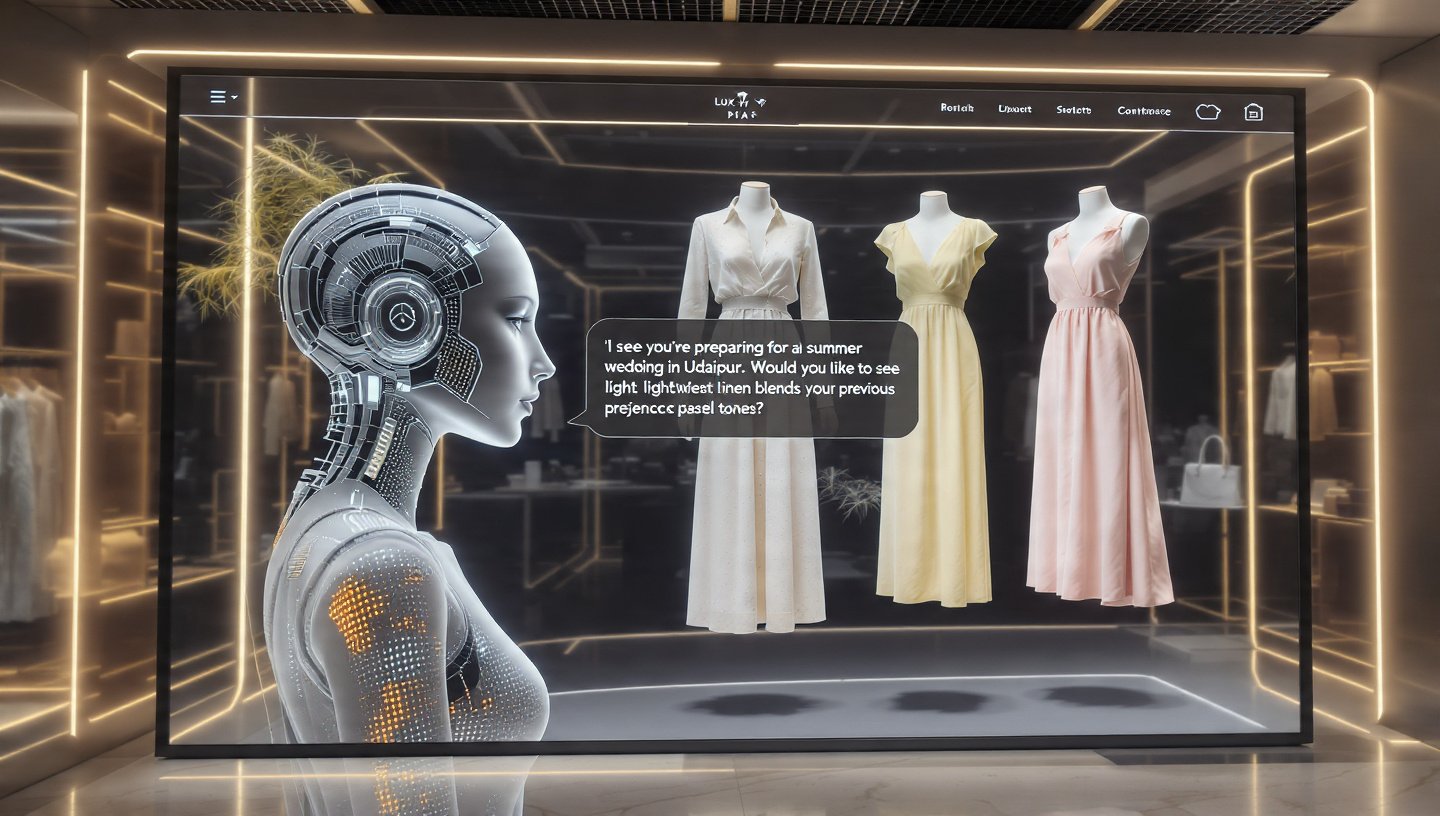
1. The Shift from “Shelf” to “Service”
By February 2026, the digital shelf is dead for luxury. If a customer is spending ₹50,000 on a designer sherwani or a high-end home automation system, they don’t want to scroll through 40 pages of results. They want to be understood.
In 2026, “Basic” e-commerce builds have been replaced by Autonomous Stores. These platforms use “Agentic AI” to move beyond simple recommendations. They don’t just say “You might also like”; they act as a Digital Concierge that guides the buyer through a complex, high-intent decision-making process.
2. Guided Selling: The LLM as a Personal Shopper
The core of the 2026 autonomous store is Guided Selling. We integrate custom LLMs (Large Language Models) directly into the site’s architecture to facilitate “Natural Language Discovery.”
- Style Synthesis: The AI analyzes a user’s past purchases and social media style cues (with permission) to suggest not just products, but Looks. “Since you bought the charcoal suit last month, here is a silk pocket square that contrasts perfectly.”
- Objection Handling: Unlike a static FAQ page, the autonomous agent can handle real-time concerns. “Is this fabric breathable enough for a humid Kolkata July?” The AI checks the specific GSM (Grams per Square Meter) of the fabric and provides a factual, reassuring answer.
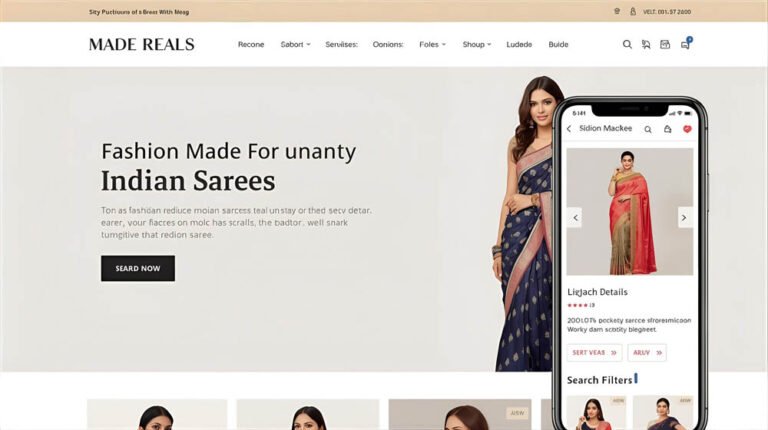
- Multimodal Inputs: In 2026, buyers don’t just type. They upload photos of their room or a screenshot of a celebrity’s outfit. The site’s “Vision AI” identifies the items and finds the closest match in your inventory instantly.
3. Agentic Commerce: Transactions on Autopilot
The most radical change in 2026 is Agentic Payment Protocols. * The “Buy for Me” Instruction: High-net-worth individuals in Alipore and Ballygunge are now using their own personal AI agents. Your website must be “Agent-Friendly,” meaning it can communicate with the customer’s AI to negotiate a price or confirm delivery windows without the human ever touching a screen.
- Dynamic Cart Building: If a customer says, “I need to host a dinner for 10 people this Friday,” the autonomous store builds the entire cart—tableware, decor, and even gourmet ingredients—based on the user’s known dietary preferences and aesthetic style.
4. Designing the “High-Touch” Digital Interface
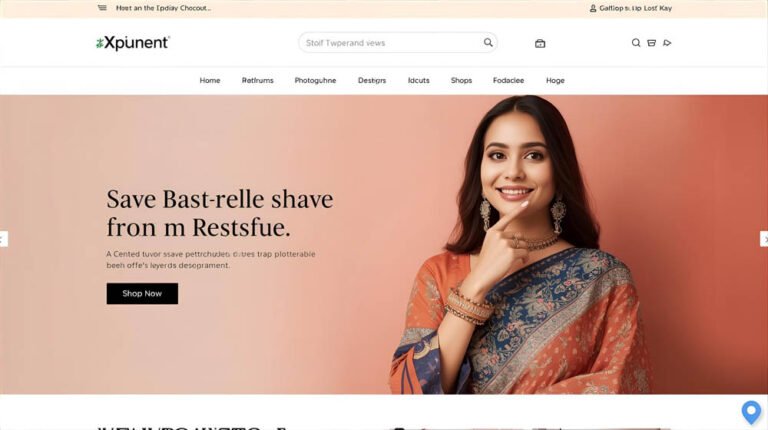
An autonomous store needs a UI that feels “Expensive” and “Exclusive.”
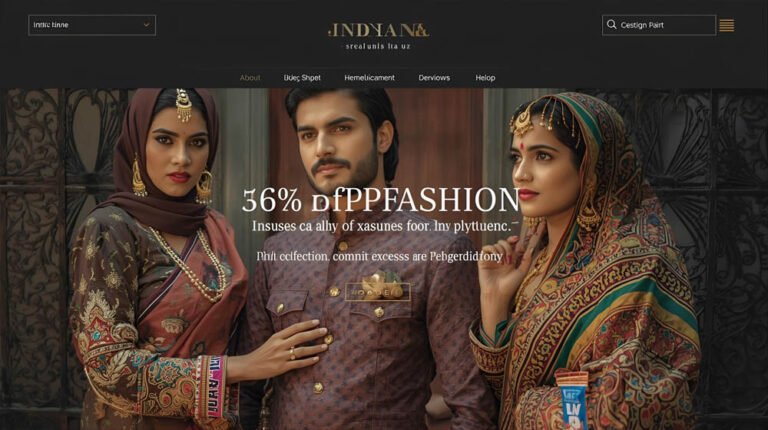
- Haptic Feedback & Micro-Animations: When the AI “concierge” speaks, the UI pulses with subtle, organic animations. Following the 2026 “Glassmorphism 2.0” trend, the interface feels like layers of frosted glass, prioritizing focus on the curated items.
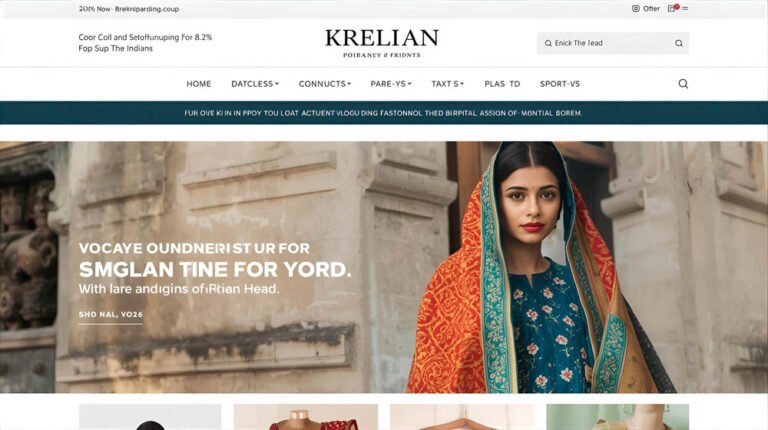
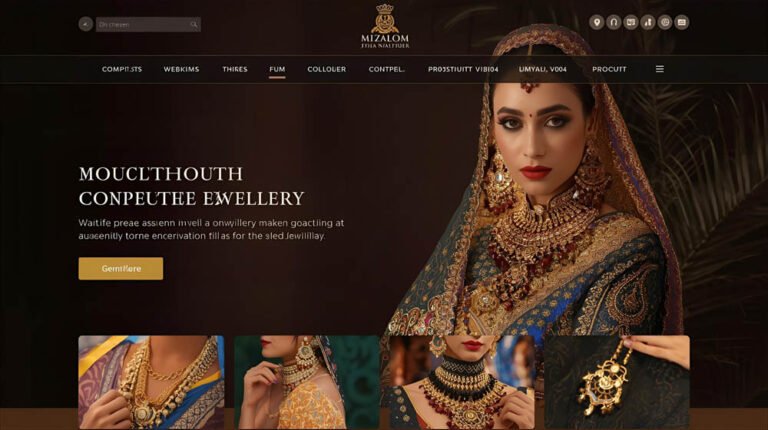
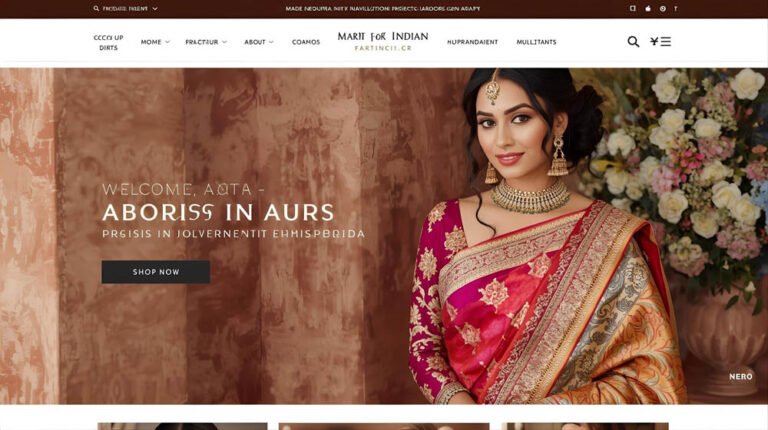
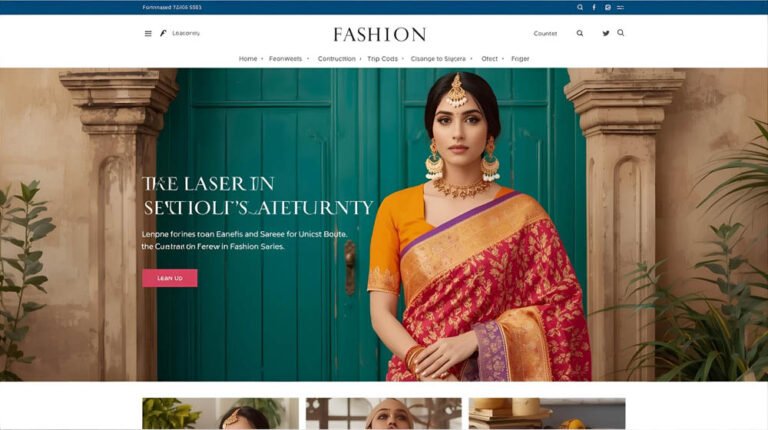
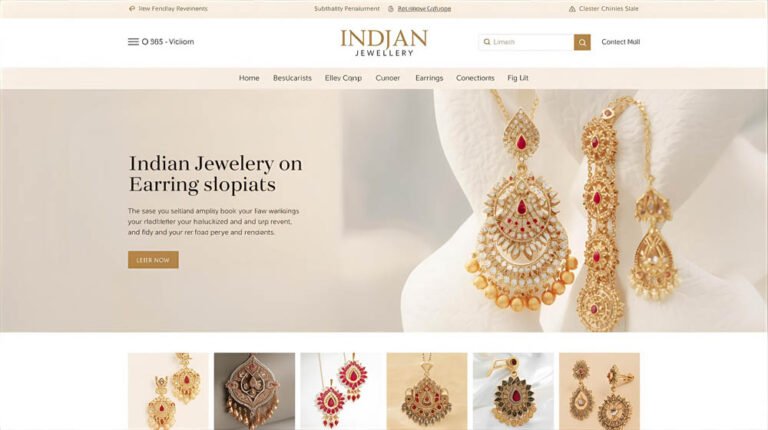
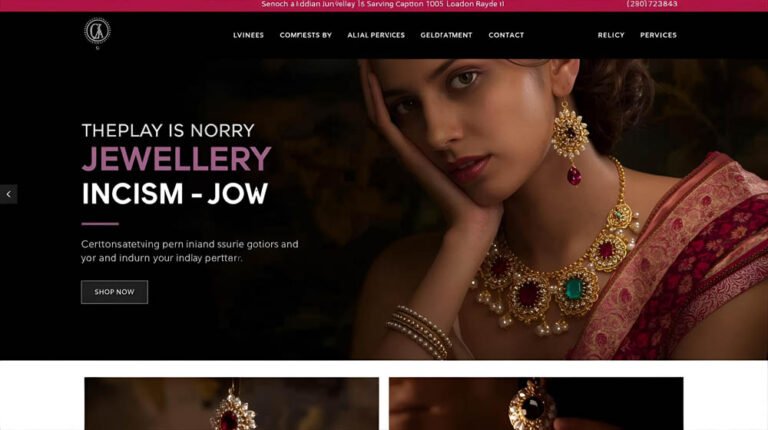
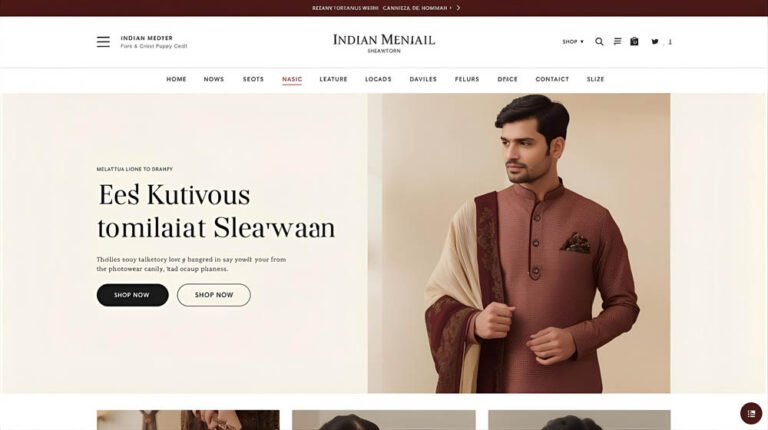
- The “Consultation” Layout: We move away from the “Grid View.” Instead, the site uses a “Hero-Focus” layout where only one or two items are shown at a time, allowing the craftsmanship to take center stage.
5. Comparison: Traditional E-commerce vs. Autonomous Guided Selling
| Feature | Traditional Store (Pre-2025) | Autonomous Store (2026) |
| Product Discovery | Keyword Search / Filters | Conversational LLM Concierge |
| Personalization | Based on Clicks | Based on Semantic Intent & Context |
| Visuals | 2D Photos / Basic Video | 3D AR Try-on + Vision AI Inputs |
| Sales Process | Passive (Buyer does the work) | Active (Agent guides the buyer) |
| Architecture | Monolithic / Traditional CMS | Headless / Agent-Optimized API |
6. Use Case: The “Park Street” Designer Label
A high-end fashion label on Park Street saw a drop in online conversions because their catalog was “too vast” for mobile users.
- The Build: We implemented an autonomous “Style Bot” that interviewed users about their upcoming events.
- The Result: A 45% increase in Average Order Value (AOV) as the AI successfully cross-sold accessories by explaining how they completed the “story” of the outfit.
- The Feedback: Customers loved the “no-search” experience, describing it as “having a boutique assistant in my pocket.”
7. FAQ: Autonomous Store Strategy
- Q: “Will an AI concierge make my brand feel cold or robotic?”
- A: Not in 2026. We use ‘Brand Voice Tuning’ to ensure the LLM uses the specific vocabulary, politeness, and tone associated with your heritage label.
- Q: “Is this only for luxury brands?”
- A: While luxury is the early adopter, any business with a ‘consultation-heavy’ sale (like electronics, furniture, or high-end skincare) benefits from guided selling.
- Q: “How do we handle privacy with AI personal shoppers?”
- A: We use On-Device LLM processing where possible, ensuring the most sensitive style preferences stay on the user’s phone, only sending ‘intent tokens’ to your server.
Conclusion: The Future is Conversational
In 2026, the brands that win are the ones that stop making their customers “Work” to find what they love. By building autonomous stores that prioritize guided selling, you aren’t just selling a product; you are offering a premium service that builds lifelong loyalty.
At our Alipore studio, we design the digital experiences that speak the language of luxury.
Ready to fire your search bar?
Let’s do a “Guided Selling Prototype Session.” We’ll take three of your top products and show you how an LLM concierge can sell them through conversation, doubling your conversion rates by cutting the “search” out of shopping.