
1. The Business Need: Fighting “Loom-Lifting” with Data
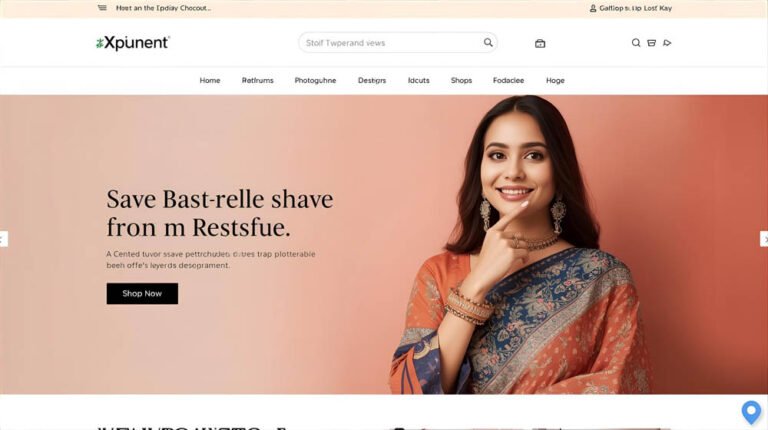
In 2026, the biggest threat to heritage brands is “Loom-Lifting”—power-loom products sold as handloom. A custom website allows you to provide Technical Transparency. When a customer in Salt Lake or San Francisco spends ₹15,000 on a Dhakai Jamdani, they want to see the “imperfections” of the hand-woven thread and the GI Registration Number. Your site must turn these technical details into a premium “Luxury Story.”
2. Why Handloom Needs a “Custom” Architectural Build
Handloom products aren’t mass-produced; they are “Drops of Art.”
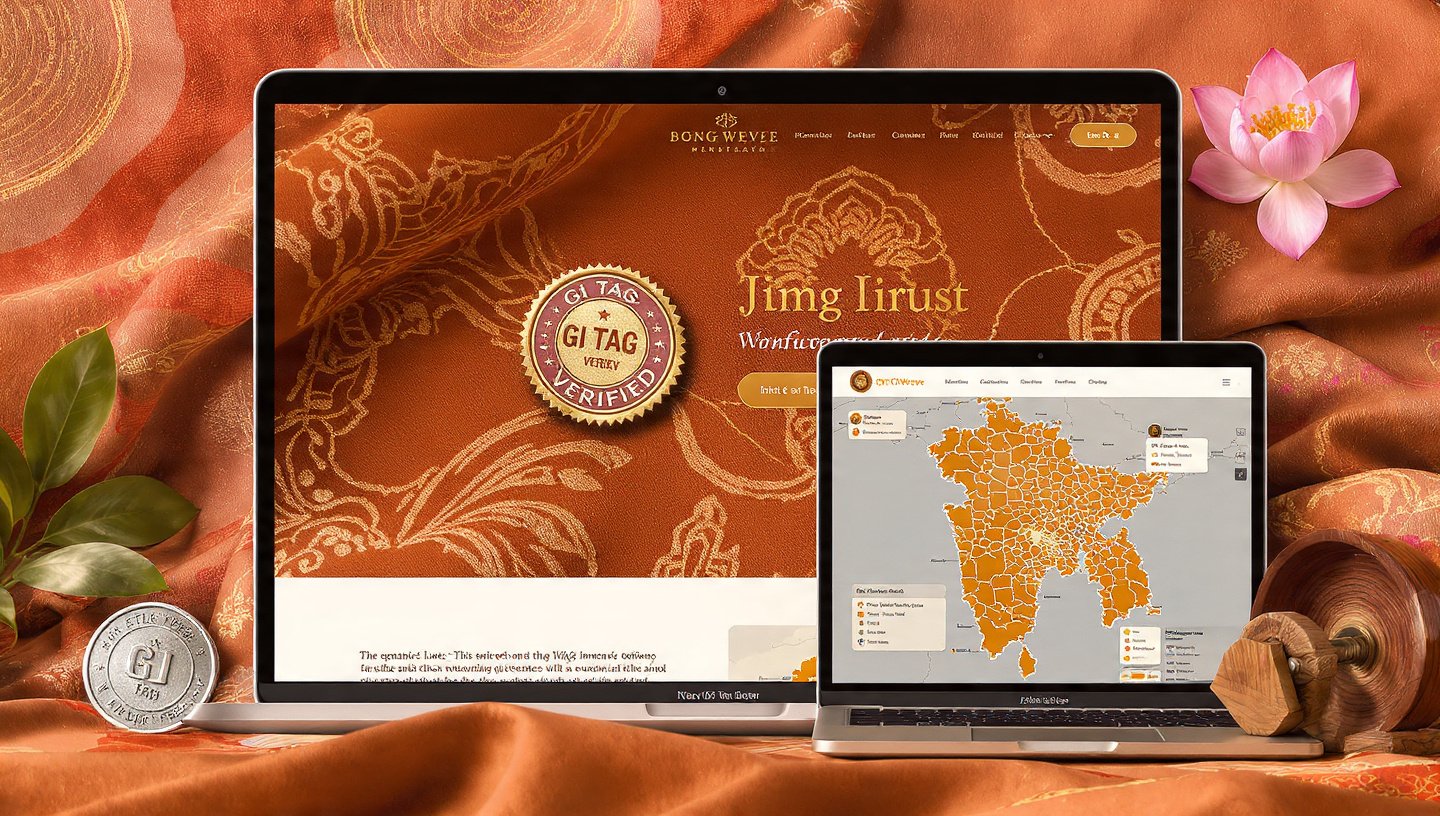
- GI-Tag Authentication Portals: We build custom modules where every saree has a unique ID. A customer can enter this ID to see a digital copy of the GI Certificate, the weaver’s name, and the cluster it originated from.
- Weaver-Direct Profiles: Each product page features a “Meet Your Maker” section with a short video of the artisan working on that specific weave. In 2026, Human Connection drives 40% higher conversion rates for ethnic wear.
- Complex Attribute Filtering: Standard sites filter by color. We filter by Weave Count, Zari Purity (Tested vs. Untested), and Dye Type (Natural/Vegetable vs. Chemical).
3. The 2026 “Heritage-Tech” Suite
- The “Loom-Live” Stream: A dedicated section for “Live Weaving” sessions. Users can watch a weaver in Santipur live, ask questions via chat, and “Pre-Book” the piece currently on the loom.
- Blockchain-Backed Traceability: For ultra-luxury pieces (like Gold-Zari Balucharis), we integrate blockchain ledgers. The buyer receives a Digital NFT Certificate of Ownership, ensuring the saree’s resale and heirloom value.
- Fabric Sensory Guide: Since users can’t touch the fabric, we use Haptic-Description UI—using 2026 visual cues to explain the “Fall,” “Crispness,” and “Skin-Feel” of different cotton and silk grades.
4. 4 “Search-Driven” Sections for Global Reach
- The “Geographic Hub”: An interactive map of West Bengal. Clicking “Bishnupur” takes you to Balucharis; clicking “Dhanyakali” takes you to heavy cottons. This boosts Local SEO and educates the buyer.
- The “Saree Care” Concierge: A custom portal explaining how to preserve different weaves (e.g., Storing Muslin vs. Silk), offering “Professional Refurbishment” services as an add-on.
- Artisan Impact Tracker: A live ticker on the homepage showing how much of the purchase price goes directly to the weaver’s family, appealing to the Ethical Consumer of 2026.
- The “Wedding Trousseau” Curator: A logic-based tool that helps families build a complete wedding set (Haldi, Mehendi, Wedding, Reception) using only authentic Bengal weaves.
5. Comparison: Local Saree Wholesaler vs. 2026 Heritage Collective
| Feature | The “Stockist” Site | Your 2026 Heritage Portal |
| Purity Proof | “Trust us” text | Digital GI-Tag & Purity Lab Sync |
| Storytelling | Generic stock photos | Documentaries of the Weaving Process |
| Pricing | Hidden or “Ask for Price” | Transparent, Value-Based Pricing |
| Global Reach | Local shipping only | Integrated Duties & International Logistics |
Conclusion: Weaving the Digital Future
Kolkata is the heart of India’s textile soul. In 2026, your website is the loom that weaves your local craft into the global fashion fabric. By choosing Custom E-commerce Designing, you protect your weavers, validate your heritage, and ensure that the art of the handloom survives and thrives in the digital age.
Ready to protect and promote your heritage?
Let’s do a “Heritage Visibility Audit.” I’ll show you how to integrate GI-tag verification and create a “Weaver-to-Wardrobe” story that turns casual browsers into lifelong patrons of Bengal art.