
1. The Business Need: Winning the “Trust-First” Economy
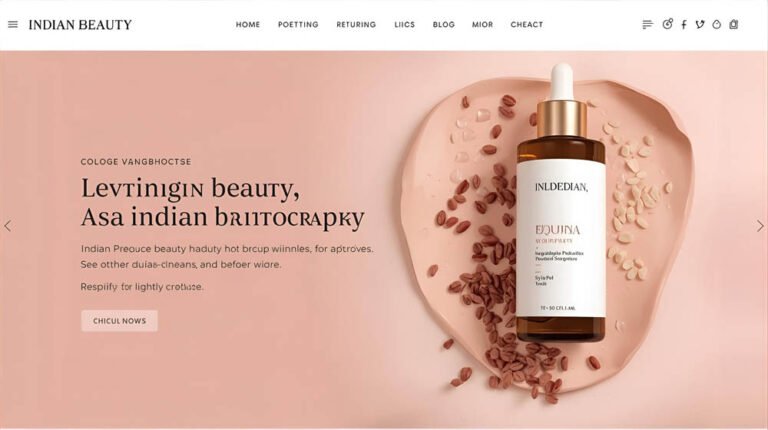
In 2026, “Clean Beauty” is the baseline, not the differentiator. To win, you need Radical Transparency. Modern shoppers scan labels like detectives. If your website makes it hard to find the full ingredient list or hides the sourcing of your “Nolen Gur” lip balm, they will bounce to a competitor.
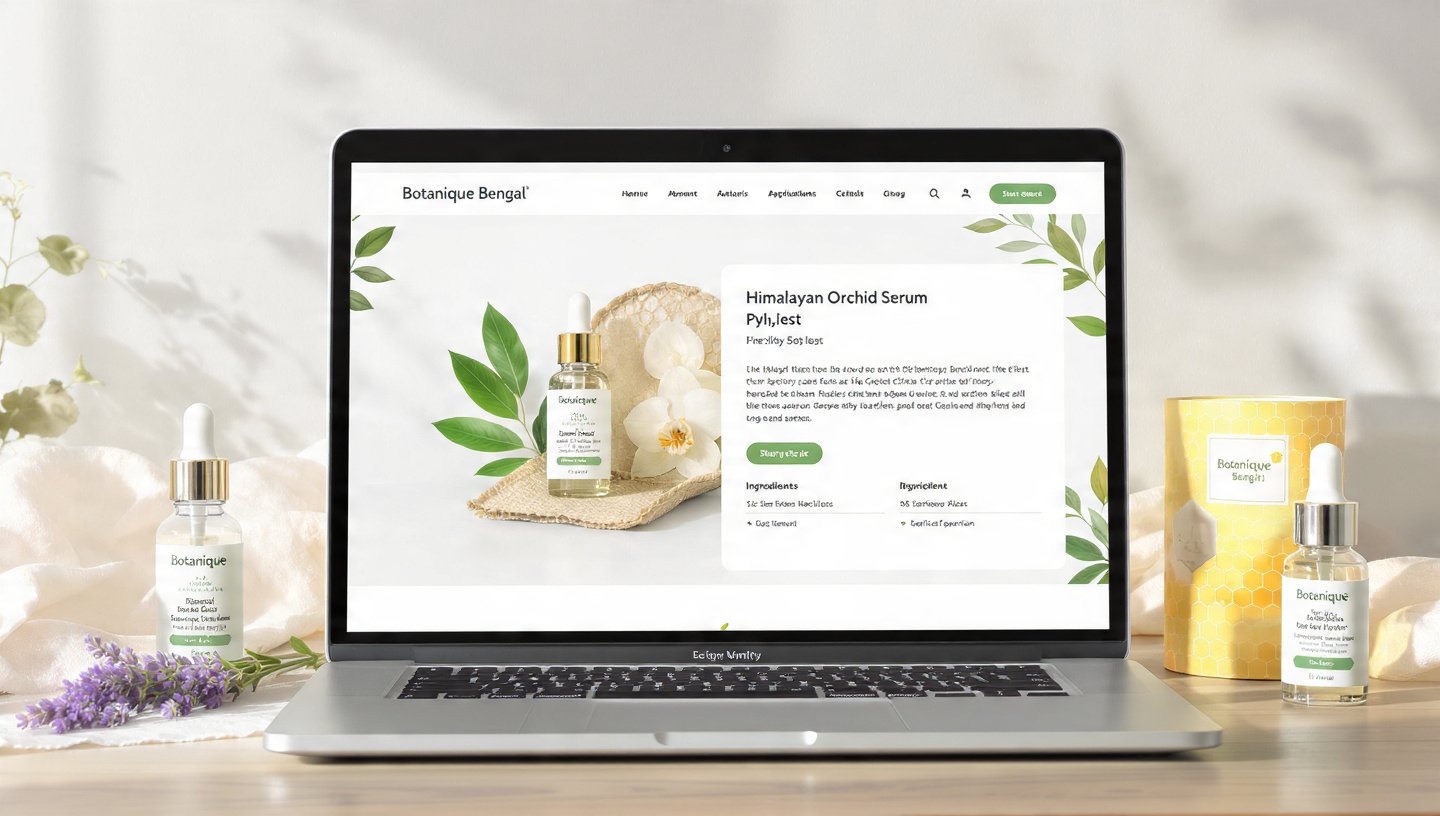
A professional website acts as your Digital Label. It gives you the space to explain the “Biotechnology” behind your plants—turning a simple oil into a “Barrier-Repairing Powerhouse.”
2. The Classification: Why This is a “Basic Website”
D2C beauty brands thrive on Fast Performance and Clear Conversion Paths. It is Basic because:
- E-commerce Engines: We use optimized platforms like Shopify or WooCommerce that come with built-in “One-Click Checkout” and UPI integrations.
- Ingredient Glossaries: Simple, searchable databases that explain what Niacinamide or Gotu Kola actually does for the skin.
- Speed Over Flash: In 2026, if a product page takes more than 2 seconds to load on a 5G phone in Kolkata, you lose the sale.
3. The 2026 “Skintelligent” Features
- The “Clinical Proof” Section: Instead of just “Before/After” photos, we integrate “Consumer Study Results” (e.g., “92% saw brighter skin in 14 days”).
- AI-Skin Diagnostics: A simple mobile-camera widget where users can scan their skin and get a “Personalized Routine” of 3 products. This isn’t custom-coding anymore—it’s a smart plugin integration.
- The “Sustainability Map”: A visual representation of where your ingredients come from—be it Sundarban Honey or Darjeeling Green Tea.
4. 3 Conversion Hooks for D2C Growth
- “Routine Bundling”: Don’t just sell a serum. Sell the “Morning Glow Routine.” This increases your Average Order Value (AOV) by 40% instantly.
- The Subscription Model: For essentials like cleansers. “Subscribe & Save 15%.” This creates Recurring Revenue, the holy grail of D2C.
- UGC (User Generated Content) Walls: An automated feed of customers’ Instagram/TikTok reviews. In 2026, a real video of a girl in New Town using your mask is more powerful than a celebrity ad.
5. Comparison: Marketplace (Nykaa/Amazon) vs. Your D2C Site
| Feature | Third-Party Marketplaces | Your D2C Website |
| Data Ownership | Marketplace owns the customer | You own the email & phone number |
| Brand Story | Limited to a small box | Full-screen immersive storytelling |
| Profit Margin | 30% to 40% commission lost | 100% Retained (Minus shipping) |
| Customer LTV | Hard to drive repeat buys | Automated ‘Time-to-Refill’ emails |
Conclusion: Pure Ingredients, Powerful Presence
Your skincare brand is a promise of health and confidence. In 2026, your website must be as clean and effective as your formulas. By utilizing Basic Website Designing to create a fast, transparent, and “Skintelligent” store, you aren’t just selling a product—you’re building a community of loyalists who trust your brand for their daily ritual.
Ready to glow up your digital presence?
Let’s do a “D2C Brand Roadmap.” I’ll show you how to structure your product pages for “Ingredient Authority” and set up a subscription system that keeps your customers coming back every month.