
1. The “Fitting Room” in Your Pocket
By 2026, the most significant pain point of online shopping—uncertainty—has been solved by Virtual Try-On (VTO).
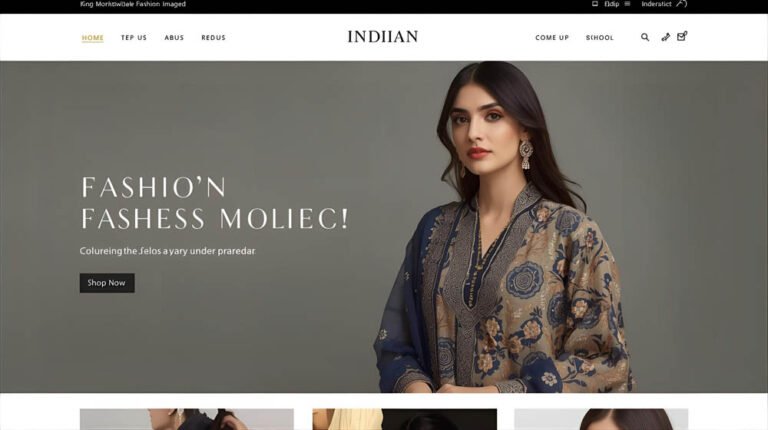
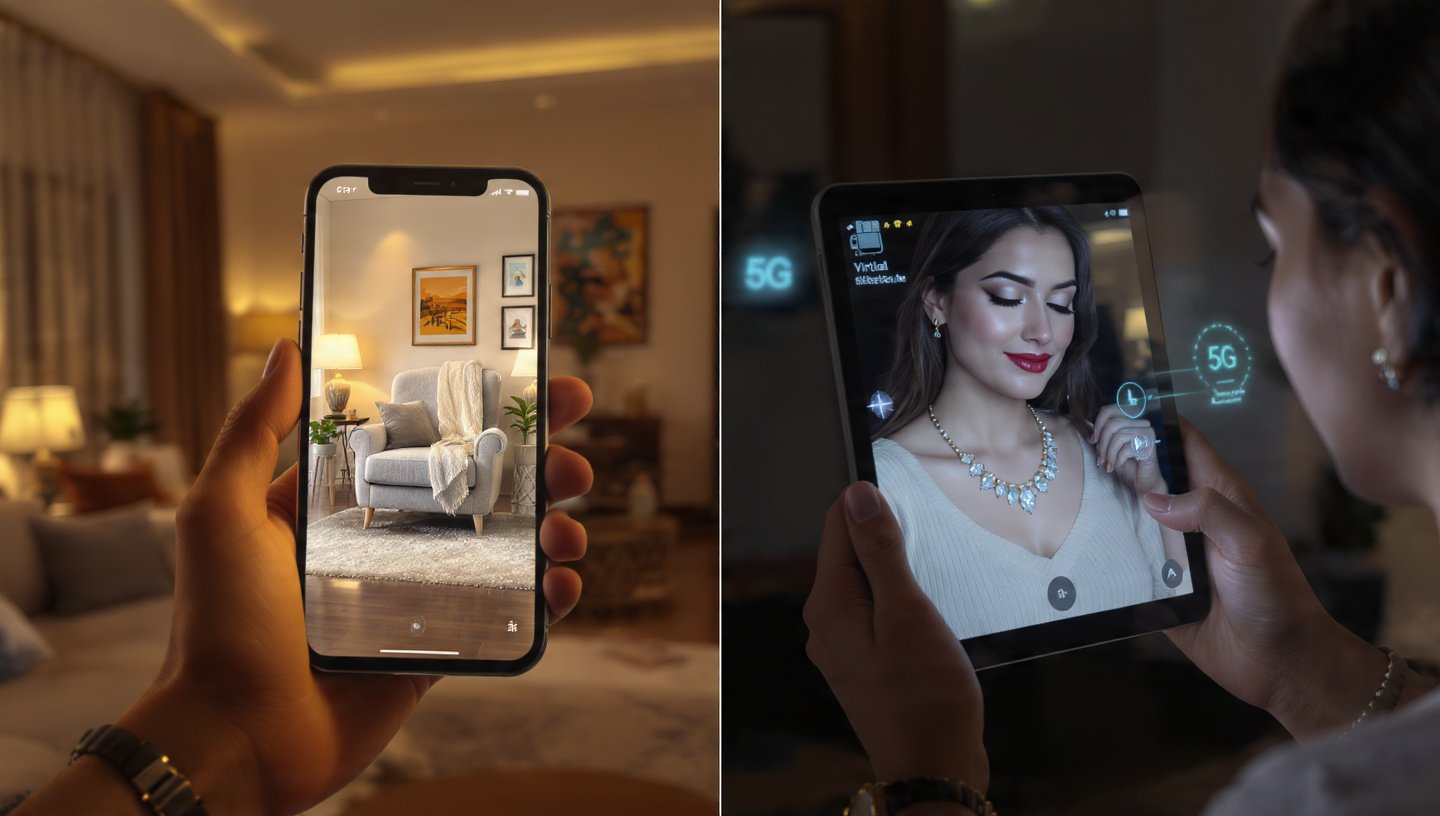
- Fashion & Beauty: Thanks to Google’s AI-powered VTO launch in India, users in Salt Lake can now upload a single photo and see how any dress, shirt, or pair of glasses looks on their specific body type and skin tone.
- The Impact: Interaction with AR features now results in a 94% higher conversion rate compared to static pages. It’s no longer about “looking at” a product; it’s about “wearing” it.
2. Spatial Computing: Merging Digital with the Streets of Kolkata
In 2026, we don’t just browse websites; we inhabit them. This is called Spatial Computing.
- Furniture & Decor: Using your phone’s camera, you can “place” a 3D model of a bookshelf or a refrigerator in your actual kitchen in New Town. The AI measures the floor and walls with millimeter precision, ensuring you never buy something that “doesn’t fit” again.
- The ROI: Retailers using AR visualization report a 28% drop in return rates. In a city like Kolkata, where “Reverse Logistics” through narrow lanes is expensive, this is a massive bottom-line win.
3. VR Showrooms: The “Flagship” Experience Without the Rent
Why pay for a massive showroom in Park Street when you can build a virtual one?
- The Experience: Customers can put on a lightweight VR headset (like the Meta Quest 3, which has become common in 2026) and “walk” through a digitally rendered store.
- Beyond Reality: In a VR showroom, the walls can change color, the music can match the customer’s mood, and every item can be picked up and rotated in 3D. It’s the emotional engagement of physical shopping with the convenience of a midnight click.
[Table: The Evolution of Product Display]
| Feature | 2015 (The Past) | 2026 (The Future) |
| Visuals | Static 2D Photos. | Interactive 3D Models. |
| Trust | Based on Reviews. | Based on Personal Visualization. |
| Try-On | “Size Charts” (Inaccurate). | AI-Body Mapping (Precise). |
| Engagement | 30-second scroll. | 5-minute immersive “dwell time.” |
4. WebXR: No App? No Problem.
The biggest breakthrough of 2026 is WebXR. You no longer need to convince a customer to download a heavy “AR App” from the Play Store.
- The Tech: Immersive experiences now run directly inside the mobile browser (Chrome or Safari).
- The Flow: A customer in Gariahat clicks a link on your Instagram ad, and their camera immediately opens to show them your product in 3D. This “frictionless” entry is why AR adoption has exploded among Kolkata’s SMEs.
5. 3 Ways to “Go Immersive” as a Small Business
- 3D Product Scanning: Use your smartphone to create 3D “digital twins” of your inventory.
- Web-Based AR Plugins: Add a “See it in your room” button to your product pages using simple 2026 plugins for Shopify or WooCommerce.
- Virtual Tours: If you have a physical boutique in Burrabazar, create a 360-degree virtual tour so customers across India can “visit” your shop virtually.
6. The 5G Catalyst
None of this would be possible without the full rollout of 5G in West Bengal.
- Low Latency: In 2026, 3D models load instantly. There is no “lag” or “stutter” when a user moves their phone around.
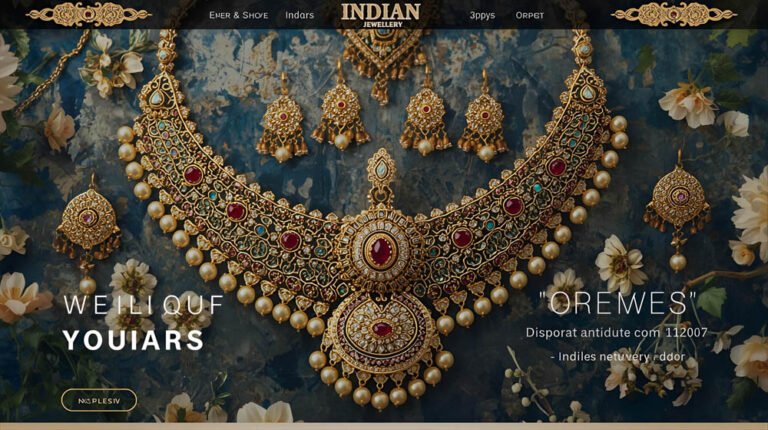
- High Detail: We can now stream high-resolution textures, allowing customers to see the intricate thread-work on a saree or the grain of the wood on a table.
7. FAQ: The AR/VR Transition
- Q: Is AR/VR too expensive for a local Kolkata business?
- A: In 2026, basic AR tools cost as little as ₹5,000/month. You don’t need a custom-built metaverse; you just need “Spatialized” products.
- Q: Do my customers actually want this?
- A: Yes. 70% of Indian shoppers in 2026 say they prefer brands that offer immersive “Try-on” experiences.
- Q: Will it slow down my website?
- A: Not if you use “Optimized 3D Assets.” Modern browsers only load the 3D model when the user clicks the “View in AR” button.
Conclusion: The End of “Guess-Work” Shopping
The future belongs to the brands that can make a customer feel the product before they own it. In the 2026 Kolkata market, AR and VR aren’t “cool extras”—they are the bridge that turns a hesitant browser into a confident buyer.
At our Alipore studio, we specialize in Spatial Web Design. We don’t just build sites; we build environments. We’ll help you turn your product catalog into a 3D experience that your customers can touch, wear, and live with—all through their screens.
Ready to bring your products to life?
Request an “Immersive Tech Demo.” We’ll take one of your products, turn it into a 3D model, and show you exactly how it looks in AR on a smartphone—all within 48 hours.