


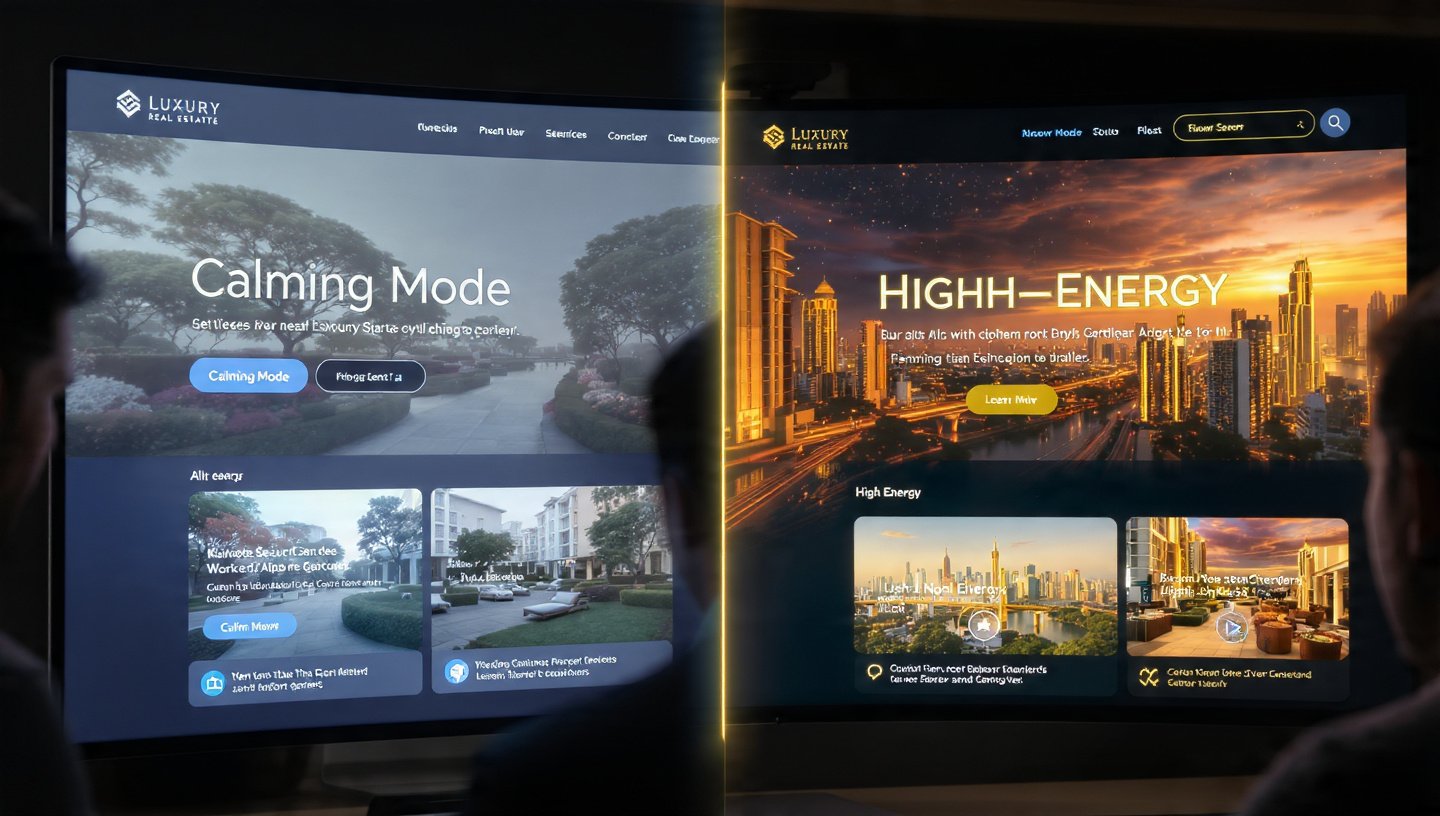
1. The Final Frontier: The Emotional Interface
By February 2026, “Personalization” has moved beyond “Recommended Products.” We have entered the era of Affective Computing—where websites don’t just know who you are, but how you feel at this exact moment.
In a city as emotionally vibrant as Kolkata, a one-size-fits-all digital experience is no longer sufficient. Whether it’s a high-stakes investor in Sector V looking for clarity or a bride-to-be in Ballygunge seeking inspiration, their digital needs change based on their emotional state. At our Alipore studio, we are building the first generation of Mood-Responsive UIs that adapt their visual and functional DNA in real-time to match the user’s mood.
2. How Your Website “Feels”: The Multi-Signal Input
How does a website detect a mood without being intrusive? In 2026, we use a combination of non-invasive signals:
- Interaction Patterns: High-speed, jagged mouse movements or “rage-clicking” signal frustration. Slow, rhythmic scrolling signals a relaxed, browsing state.
- Facial Expression Analysis (Opt-in): Using the W3C Emotional AI Standard, the browser can analyze subtle facial micro-expressions (eyebrow tension, mouth curvature) via the webcam without ever recording or storing the video.
- Biometric Sync: For users with wearable devices (smartwatches), the site can sync with heart-rate variability (HRV) to detect stress levels.
3. The Three States of Mood-Responsive Design
We typically design for three primary “Emotional States” in the 2026 Kolkata market:
- The Calming State (Anxiety-Reduction): If the user is stressed (e.g., browsing a legal or medical portal), the UI automatically shifts to “Zen Mode.” The color palette moves to muted greens and blues, typography becomes more spacious, and AI-chatbots switch to a more empathetic, soft-spoken tone.
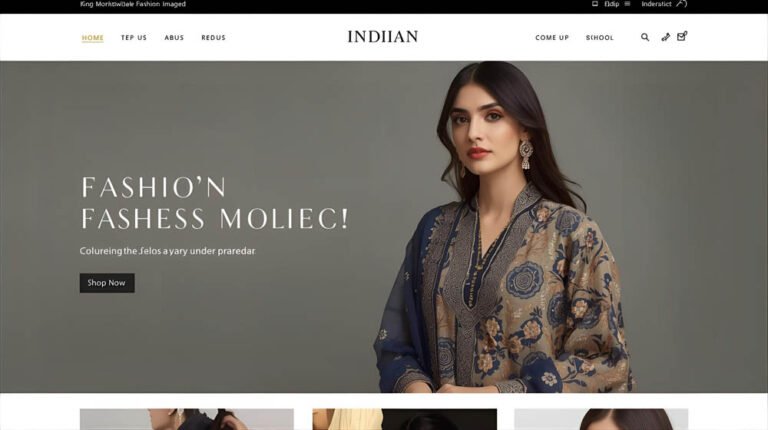
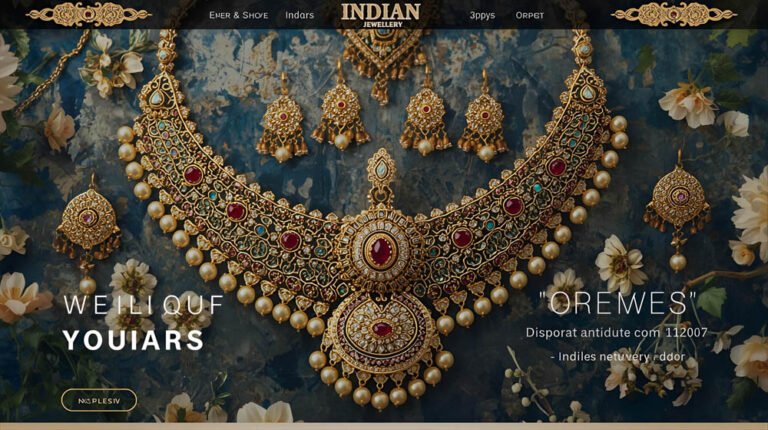
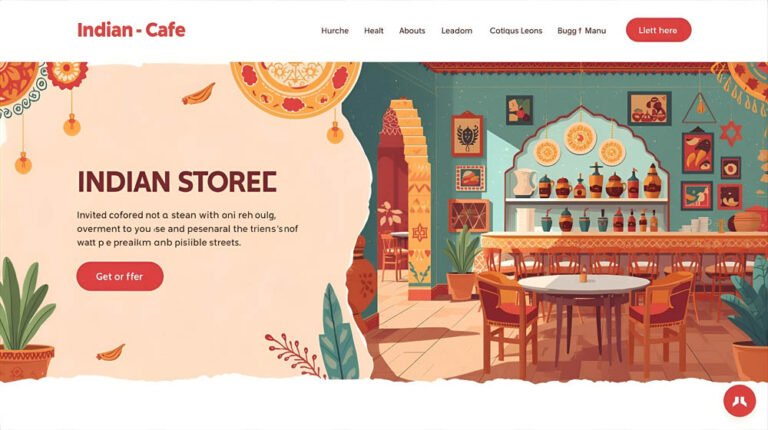
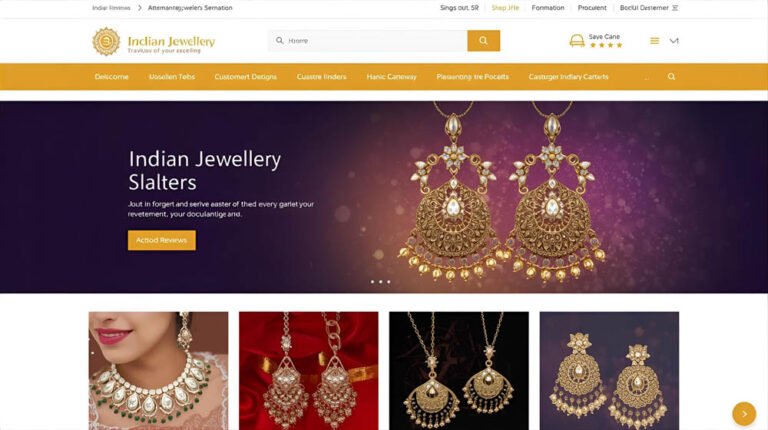
- The High-Energy State (Excitement-Building): For e-commerce or entertainment sites, if a user is excited, the UI “leans in.” Colors become more saturated (vibrant marigolds and deep reds), animations become snappier, and “Limited-Time” offers are highlighted to match the user’s momentum.
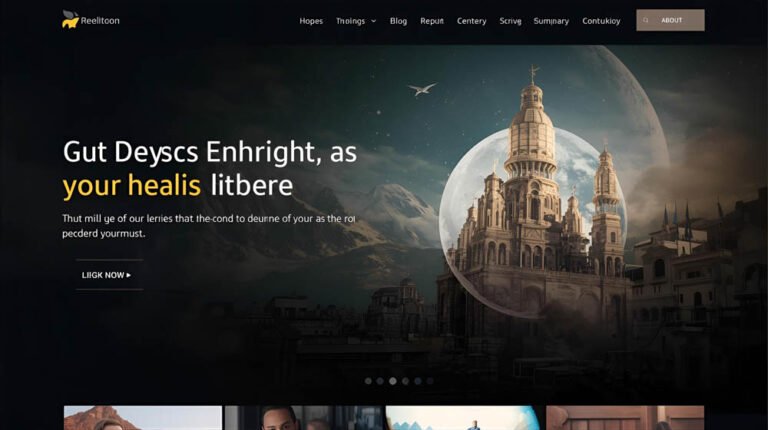
- The Focus State (Cognitive-Clarity): If a user is in a “Deep Work” or “Investigative” mood (e.g., reading a research report), the UI strips away all non-essential elements, enters a high-contrast mode, and silences all non-critical notifications.
4. Comparison: Static Personalization vs. Mood-Responsive UI
| Feature | Static Personalization (2024) | Mood-Responsive UI (2026) |
| Data Source | Past Purchase History | Real-time Emotional Feedback |
| Visual Response | Stays the same | Colors & Tempo change live |
| Copy/Tone | Generic / Formal | Empathetic / Adaptive |
| UX Goal | Conversion at any cost | Conversion through Emotional Alignment |
| User Feeling | “The site knows my name” | “The site understands my day” |
5. Ethical Guardrails: Privacy in the Age of Emotion
In 2026, “Emotional Privacy” is a legal requirement under the West Bengal Digital Rights Charter.
- Zero-Storage Policy: We ensure that “Emotion Data” is processed at the Edge (on the user’s device). The server only receives a command like “Shift to Calming Mode,” never the raw biometric data.
- Explicit Consent: A mood-responsive site must always feature a “Mood Sync” toggle. Users are in total control of whether the site is “listening” to their emotions.
6. Use Case: The “South Kolkata” Mental Health Clinic
A leading wellness center in South Kolkata implemented a mood-responsive portal:
- The Challenge: Patients often felt overwhelmed by the “Clinical” look of the website when trying to book an emergency session.
- The Fix: We built a “Vibe-Check” entry. If the system detected high stress (via interaction speed and facial tension), the site simplified itself into a 1-button “Talk to Someone Now” interface with a background of rain falling over the Ganges.
- The Result: A 40% decrease in “Drop-offs” at the booking stage and significantly higher patient satisfaction scores.
7. FAQ: Designing for Emotions
- Q: “Will this slow down my site?”
- A: No. In 2026, the ‘Sentiment Engine’ runs as a lightweight WebAssembly module. It takes up less memory than a standard high-res image.
- Q: “Does it work in the dark?”
- A: Yes. The system shifts to ‘Interaction-Only’ sentiment analysis (mouse/scroll patterns) when lighting is too low for facial analysis.
- Q: “Isn’t this just a gimmick?”
- A: Research in 2025 showed that ‘Emotional Alignment’ increases brand trust by 3x. It’s not a gimmick; it’s the future of hospitality in the digital world.
Conclusion: The Pulse of the User
In 2026, the distance between the human heart and the digital screen has never been shorter. By building Mood-Responsive UIs, you are proving that your brand doesn’t just want a transaction—it wants a connection. In a city like Kolkata, where “Adda” and empathy are part of the DNA, your website should be as perceptive and adaptive as a good friend.
At our Alipore studio, we don’t just code for clicks; we code for feelings.
Does your website have an emotional IQ?
Let’s do an “Emotional UX Audit.” We’ll map out your customer’s journey and show you exactly where an “Emotional Pivot” can turn a frustrated visitor into a lifelong advocate for your brand.