




1. The “Monolithic” Bottleneck
Most traditional websites (Shopify, standard WooCommerce, Magento) are “Monolithic.” The frontend and backend are joined at the hip. If you want to change how your product looks on a mobile phone, you often have to mess with the backend code that handles your payments.
In 2026, this is too slow. As Kolkata becomes a hub for D2C (Direct-to-Consumer) brands, the ability to change your look in the morning without breaking your checkout in the afternoon is a massive competitive advantage.
2. What is Headless, Really?
Think of it like a restaurant.
- The Backend (The Kitchen): This is where the “cooking” happens—managing inventory, processing credit cards, and calculating GST.
- The Frontend (The Dining Area): This is where the customer sits.
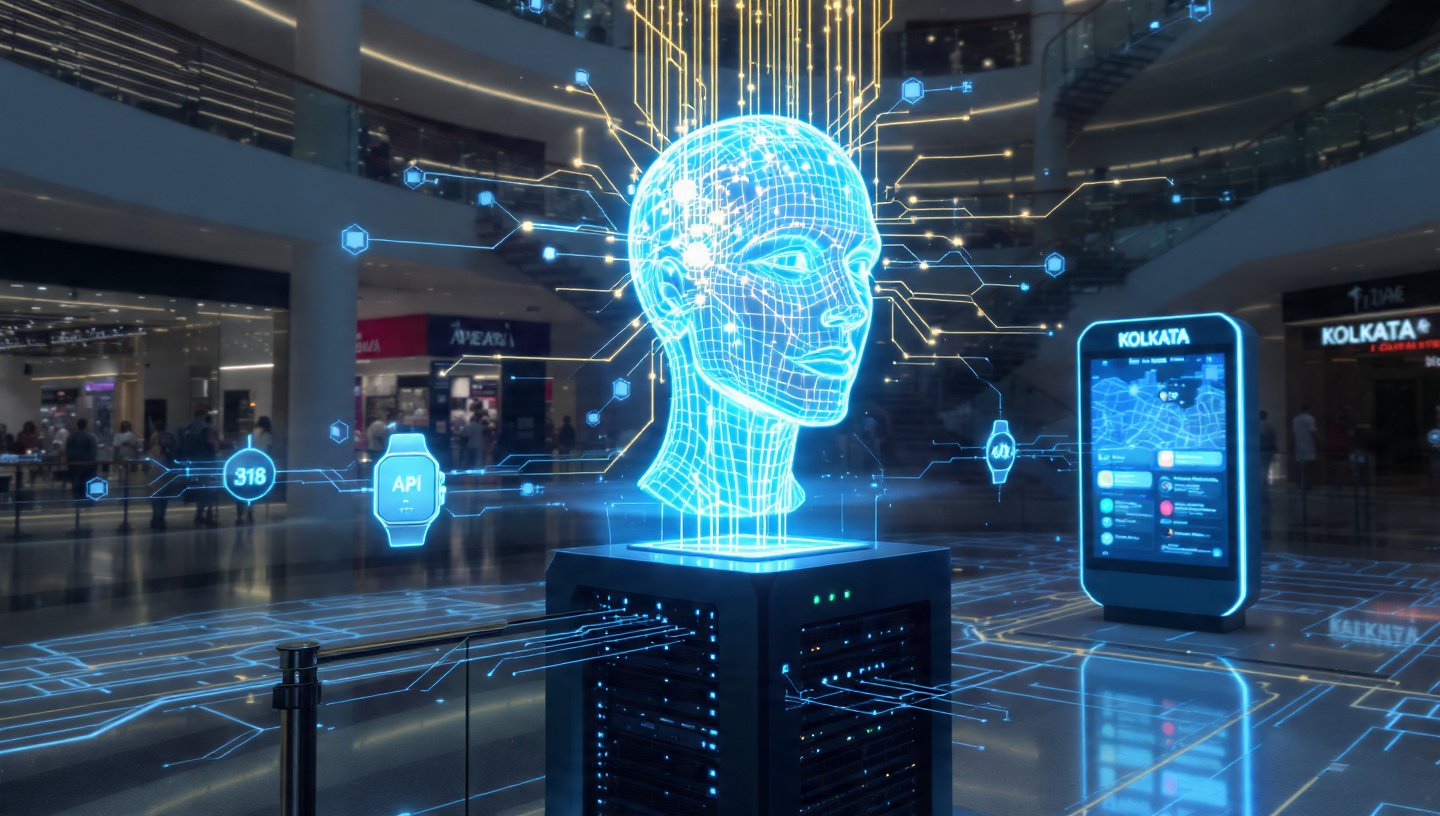
- The API (The Waiter): The waiter takes the order from the table to the kitchen and brings the food back.
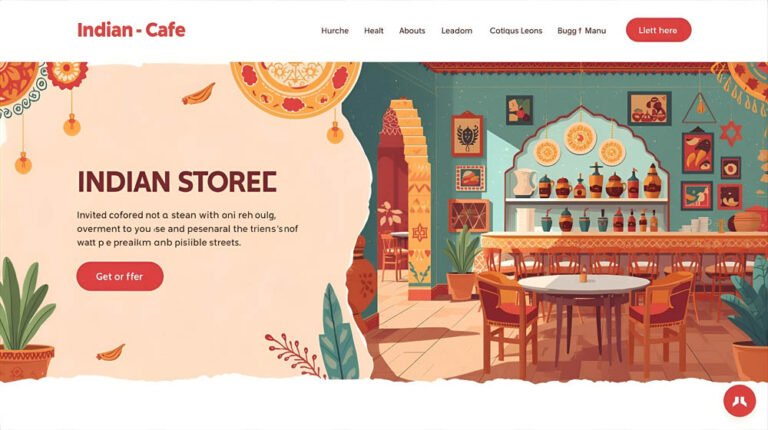
In a Headless setup, you can completely remodel the dining area (the website) into a high-tech lounge or a casual cafe without ever touching the kitchen equipment.
3. Why Kolkata Enterprises are Going Headless in 2026
- True Omnichannel Freedom: You can use the same “Kitchen” (backend) to power your website, your Android app used by customers in Howrah, and the digital touchscreens in your Quest Mall outlet.
- Unmatched Speed: Since the frontend isn’t weighed down by heavy backend code, page loads become nearly instantaneous. In 2026, a 100ms improvement in speed equals a 1% increase in revenue.
- Future-Proofing: When a new technology emerges (like AR shopping glasses), you don’t need a new website. You just build a new “Head” and plug it into your existing API.
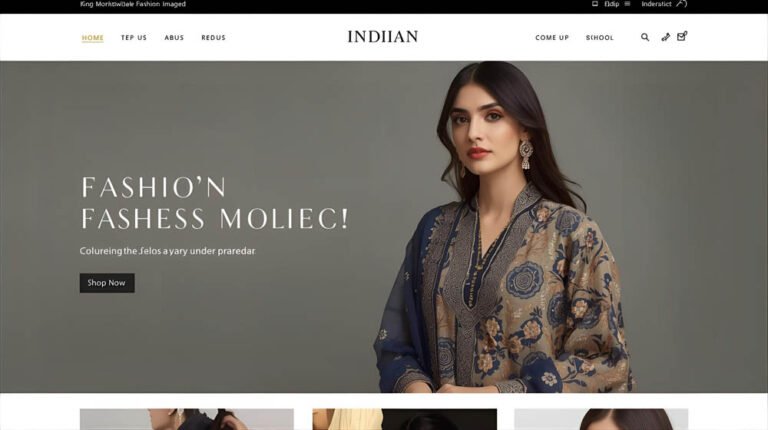
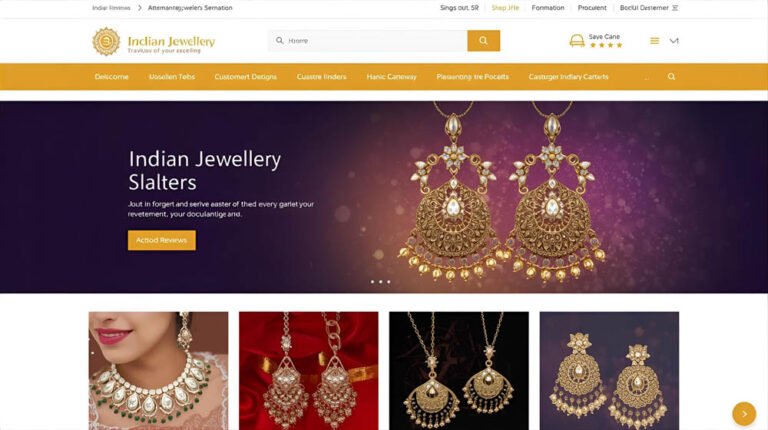
- The ‘Ballygunge’ Personalization: You can show completely different frontends to different people. A luxury buyer in South Kolkata sees a minimalist, high-end UI, while a wholesale buyer from Burrabazar sees a data-heavy, bulk-ordering dashboard—both pulling from the same inventory.
4. The 2026 Tech Stack: How We Build It
We no longer recommend “all-in-one” platforms for scaling businesses. We use a Composable approach:
- The Commerce Engine: Shopify Plus (Hydrogen), BigCommerce, or commercetools.
- The Frontend Framework: Next.js or React. These allow for “Server-Side Rendering,” making your site incredibly SEO-friendly.
- The CMS: Contentful or Straity. This allows your marketing team in Sector V to update banners across all apps and sites from one single dashboard.
5. Is Headless Right for You?
| Traditional (Monolithic) | Headless Commerce |
| Best for: Small boutiques, startups. | Best for: High-growth D2C, Enterprise. |
| Pros: Cheap, fast to launch, easy to manage. | Pros: Unlimited design, extreme speed. |
| Cons: Limited “look,” slower performance. | Cons: Higher initial dev cost, needs experts. |
6. Implementation: The “Strangler” Pattern
You don’t have to delete your old site overnight. In 2026, we use the Strangler Pattern. We slowly replace parts of your old site with “Headless” pieces. Maybe we start with a headless Checkout to improve security and speed, then move to a headless Product Page, until the old system is completely replaced.
7. FAQ: The Headless Transition
- Q: Will this hurt my SEO?
- A: Quite the opposite. Because headless sites (built with Next.js) are so fast and have cleaner code, Google usually rewards them with higher rankings in 2026 AI Overviews.
- Q: Is it more expensive?
- A: Yes, the initial setup is higher. However, the “Total Cost of Ownership” (TCO) is often lower over 3 years because you spend less on “fixing” old code and more on “building” new features.
- Q: Do I need a huge team?
- A: Not necessarily. In 2026, we manage the complex API layer for you, while your team uses a simple CMS to change the site’s content.
Conclusion: Lose the Head, Find the Future
Headless Commerce isn’t just a trend; it’s the standard for any Kolkata business that plans to be here in 2030. It gives you the agility of a startup with the power of an enterprise.
At our Alipore studio, we specialize in “Decoupling.” We help you break free from the constraints of your old platform so you can start selling everywhere your customers are.
Ready to see a Headless Blueprint?
Schedule a “Tech Stack Consultation.” We’ll look at your current systems and show you exactly how a headless transition could speed up your site and open up new sales channels.