
1. The Business Need: Managing Complexity at Scale
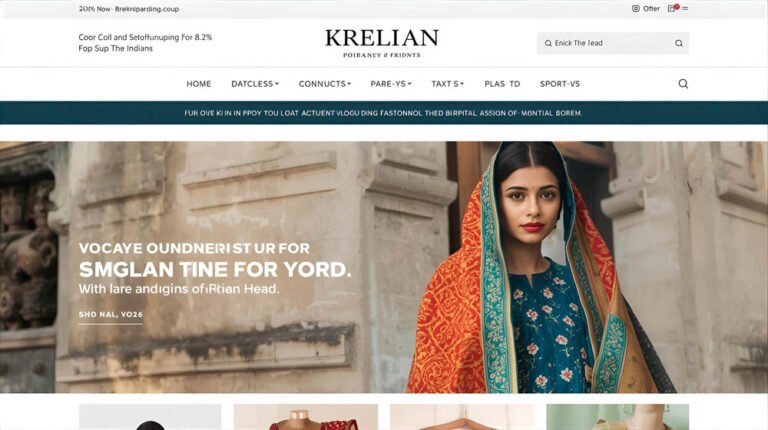
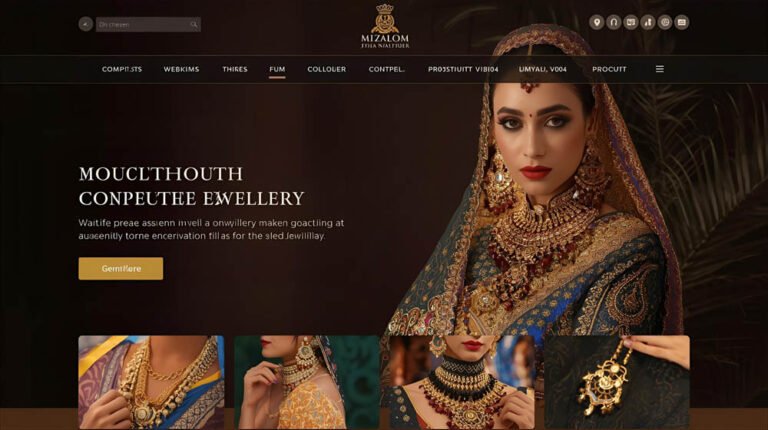
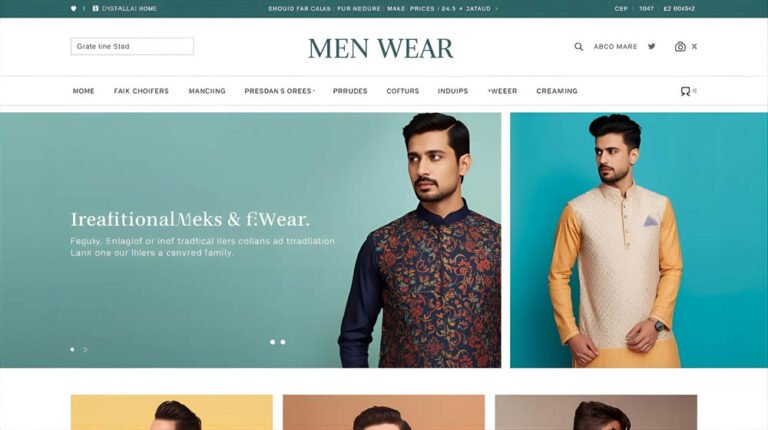
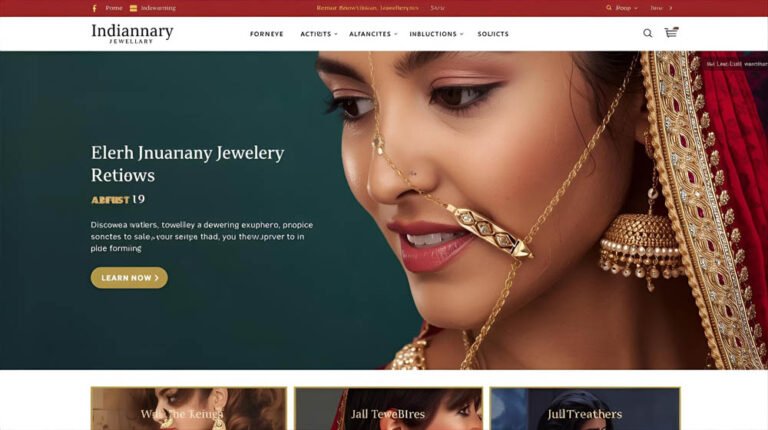
In 2026, a marketplace is an “Asset-Light” goldmine. You don’t own the inventory; you own the Traffic and the Trust. However, the complexity is 10x higher than a regular store. You are managing dozens of designers, each with their own inventory, shipping speeds, and payout expectations.
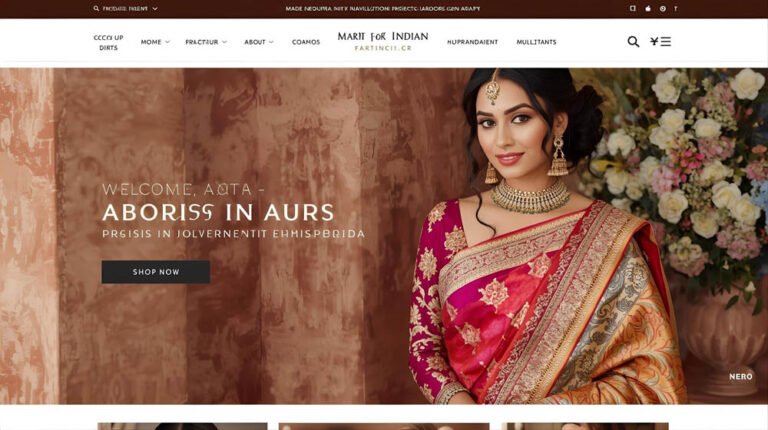
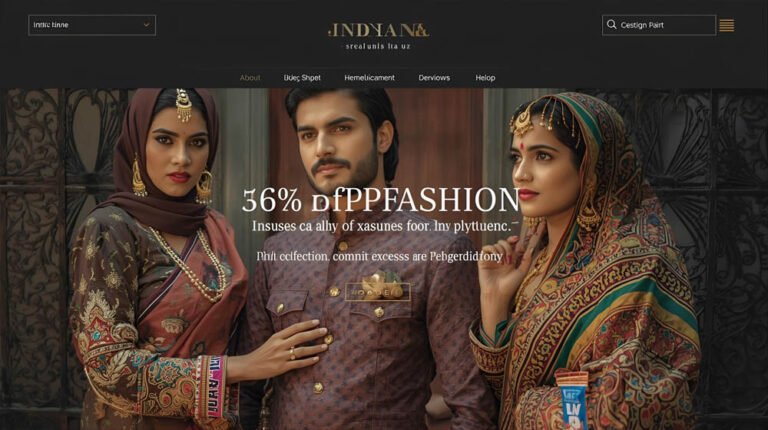
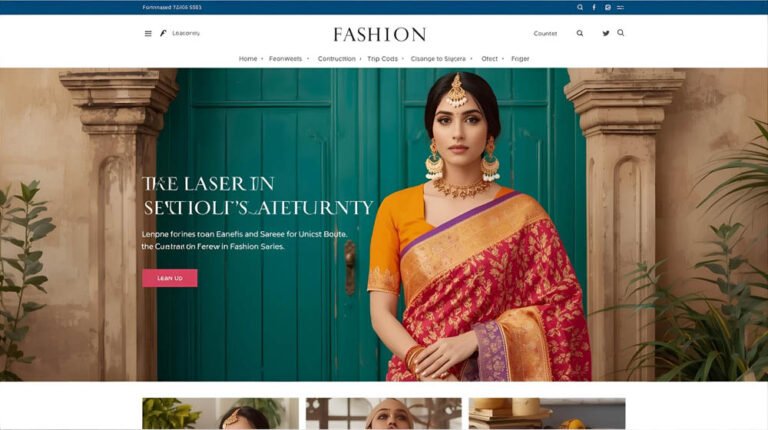
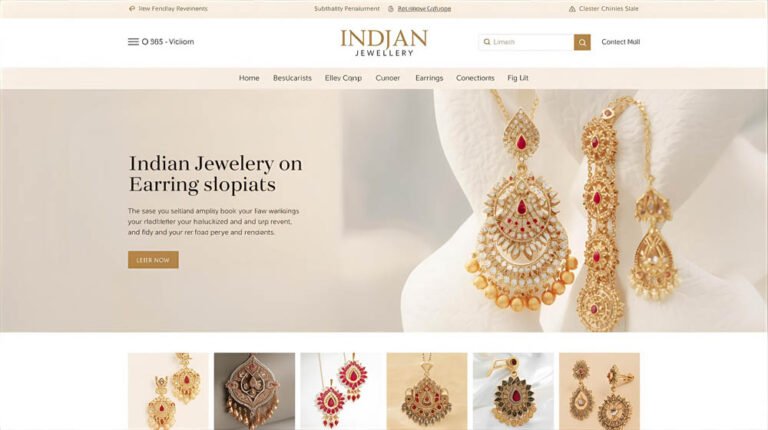
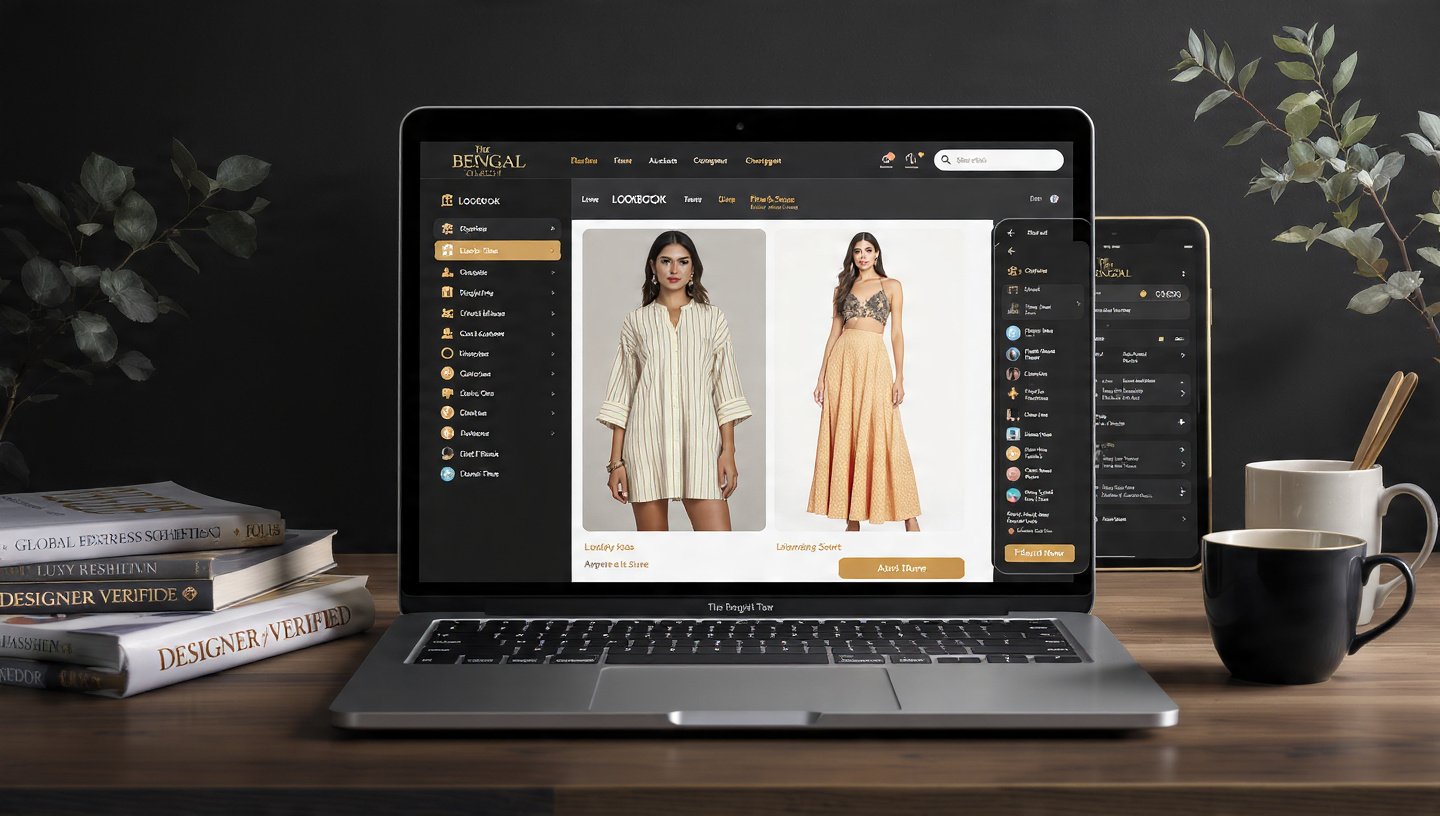
A custom-built marketplace platform ensures that this complexity is invisible to the customer. By providing Unified Checkouts (one cart for 5 different designers) and Automated Logistics, you create a seamless “Vogue-like” shopping experience that keeps high-net-worth individuals coming back.
2. The Marketplace Engine: Why Custom Logic is Non-Negotiable
Marketplaces fail when they use “off-the-shelf” plugins that slow down the site. You need a Platform-First Build.
- The “Vendor Autonomy” Dashboard: We build custom portals where designers can upload their own 2026-spec 8K imagery, track their specific sales, and manage their “Designer Story” without needing your intervention.
- Automated Split-Payment Logic: Using 2026 fintech integrations (like Stripe Connect or Razorpay Route), the system automatically splits a ₹50,000 transaction: ₹40,000 goes to the Designer, ₹5,000 to the Logistics partner, and ₹5,000 stays with you as Commission.
- Global Duties & Taxes (DDP): For Kolkata marketplaces exporting to London or Dubai, the site calculates local taxes in real-time at checkout, ensuring no “surprise fees” for the international buyer.
3. The 2026 “Curator-Tech” Suite
- Agentic “Style-Match” AI: In 2026, the AI doesn’t just recommend products; it creates outfits. If a user looks at a Sabyasachi-style saree from one vendor, the AI automatically pulls matching jewelry from a second vendor and footwear from a third, presenting a “Complete Look.”
- The “Live-Drop” War Room: A backend feature for marketplace admins to coordinate “Mega Drops” where 20+ designers launch collections simultaneously, complete with countdown clocks and “Hype” notifications.
- Blockchain-Backed Authenticity: Every designer on your platform gets a “Verified” status on the blockchain, assuring global buyers that they are not buying “first-copy” imitations.
4. 4 Hooks for the Global “Aza” or “Ogaan” of the Future
- The “Emerging Talent” Spotlight: A dedicated, low-commission tier for new Kolkata designers. In 2026, “Discovering the Next Big Thing” is a major traffic driver.
- Virtual “Personal Shopper” Chat: An AI-powered assistant that knows the catalogs of all 100+ designers on your site and can answer: “Find me a red silk lehenga under ₹40k that can be delivered to NYC in 5 days.”
- The “Sustainability Scorecard”: A marketplace-wide filter that ranks designers based on their Eco-transparency and Fair-wage certifications.
- Bento-Grid “Editorials”: Replace standard product lists with high-impact “Digital Magazines” where users can shop directly from the “Editorial” images.
5. Comparison: Standard Store vs. 2026 Global Marketplace
| Feature | Single Brand Store | Your 2026 Multi-Designer Hub |
| Inventory | Limited/Owned | Infinite/Vendor-Managed |
| Revenue Model | Product Margin | Commission, Ad Fees, Subscriptions |
| Personalization | Brand-specific | Cross-Brand “Total Look” AI Curation |
| Logistics | Central Warehouse | Multi-Node “Dark Store” Shipping |
Conclusion: Building the Fashion Authority of the East
Kolkata has the talent to clothe the world. In 2026, the marketplace owner is the “Gatkeeper of Taste.” By choosing Custom E-commerce Designing for your multi-vendor platform, you aren’t just building a store; you are building an Institution.
Ready to launch the next global fashion hub?
Let’s do a “Marketplace Feasibility Session.” I’ll show you how to structure your vendor dashboards and commission logic to attract the best designers in Bengal and beyond.