






1. The “New Normal” of 2026: Agentic AI Threats
The hackers of 2026 aren’t humans sitting in dark rooms; they are Autonomous AI Agents. These bots don’t just “scan” for holes; they think in real-time. They can mimic a customer’s behavior, bypass traditional firewalls, and find “Zero-Day” vulnerabilities in minutes.
- The Kolkata Impact: Small businesses are now primary targets because they often have “Soft Security.” A breach of your customer database in Ballygunge can now be sold on the dark web within seconds of the hack.
2. The DPDP Act: Why “Sorry” Isn’t Enough
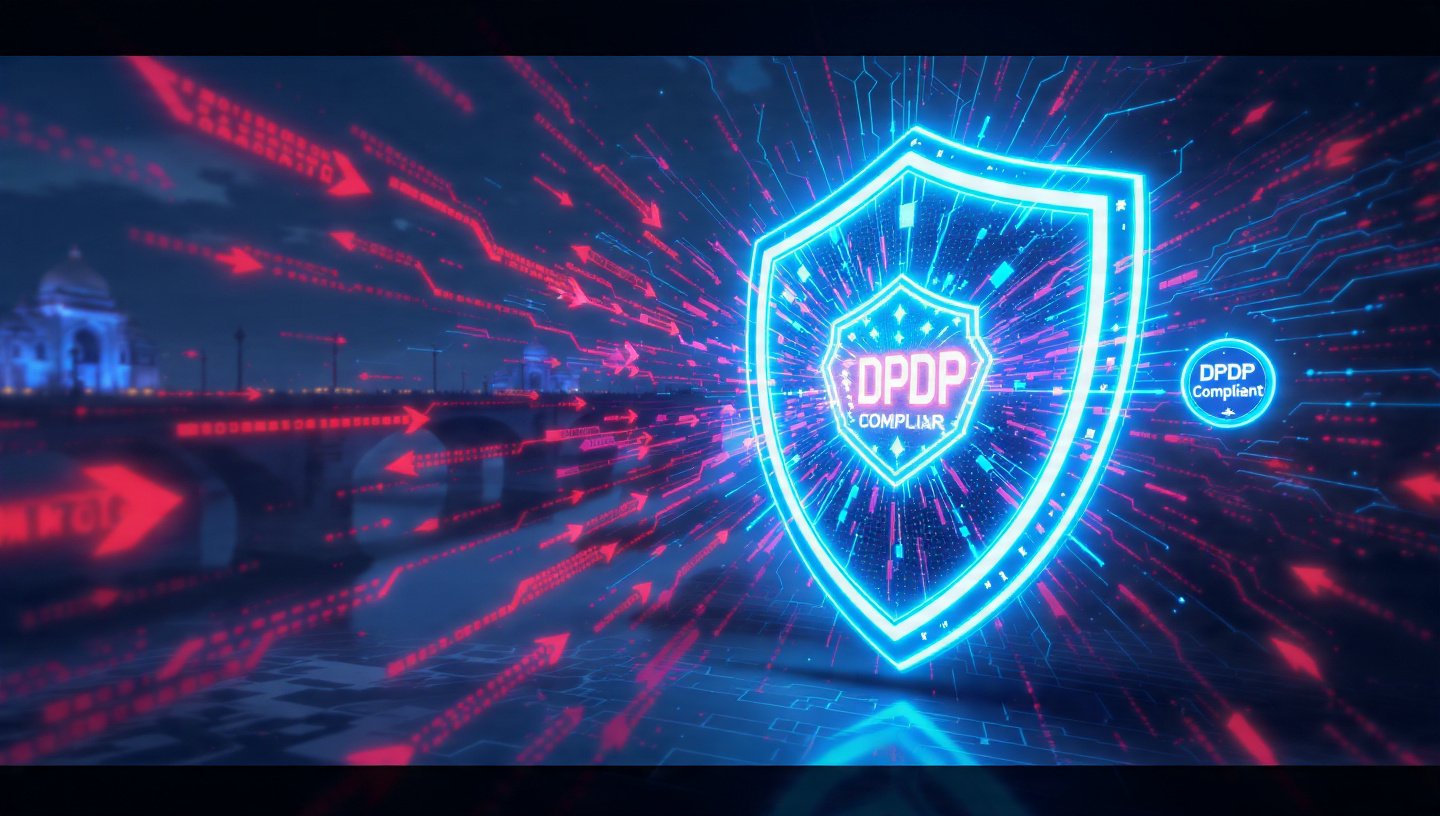
By 2026, the Digital Personal Data Protection Act has changed the rules for every Indian website.
- Consent is King: You must have a clear, “unbundled” consent mechanism. If you are collecting phone numbers for “Pujo Discounts” but using them for “Insurance Cold Calls,” you are in violation.
- The 72-Hour Rule: If you are breached, you have a mandatory window (usually 72 hours) to notify the Data Protection Board of India and the affected individuals.
- Data Erasure: If a customer in Salt Lake asks you to “forget” them, your website must have a technical way to wipe their data across all your servers.
3. The 3-Layer Security “Wall” for 2026
Layer 1: The Identity Barrier (Zero-Trust)
In 2026, we assume everyone is a threat until proven otherwise.
- MFA is Mandatory: If your WordPress or Shopify admin doesn’t have Multi-Factor Authentication (MFA), it’s like leaving your shop door in Burrabazar wide open at night.
- Passkeys: Moving away from passwords to Biometric Passkeys (Fingerprint/FaceID) is the #1 way to stop 99% of phishing attacks.
Layer 2: The Data Fortress (Encryption)
- Post-Quantum Ready: By 2026, standard encryption is becoming vulnerable. We now use Post-Quantum Cryptography (PQC) for sensitive data.
- Encryption at Rest: It’s not enough to encrypt data while it’s moving; it must be encrypted while it sits in your database. If a hacker steals the file, they shouldn’t be able to read it.
Layer 3: The AI Shield (WAF 2.0)
- Behavioral Firewalls: Modern Web Application Firewalls (WAF) use AI to spot “weird” patterns. If a user from Russia suddenly tries to download your entire 10,000-person customer list at 3 AM, the AI shuts them down automatically.
4. Your 2026 Security Checklist
| Item | Status | Why it Matters |
| SSL (TLS 1.3+) | Essential | Protects data in transit between the user and your server. |
| DPDP Notice | Mandatory | Legal requirement for Indian businesses. |
| Daily Backups | Non-negotiable | Your “Reset Button” if a Ransomware attack hits. |
| Plugin Audit | Monthly | Outdated plugins are the #1 entry point for hackers. |
| Bot Protection | Critical | Stops AI-scrapers from stealing your prices or content. |
5. The “Human Firewall”: Training Your Team
In 2026, the weakest link isn’t your code; it’s your staff. Deepfake Phishing is the new threat. Your manager might get a WhatsApp voice note that sounds exactly like you, asking for the admin password.
- The Policy: Never share credentials over chat. Use a secure Password Manager (like Bitwarden or 1Password) for the whole team.
6. Technical Audit: The “VAPT” Requirement
For businesses in regulated sectors (Fintech, Health, EdTech), a Vulnerability Assessment and Penetration Testing (VAPT) is now a standard requirement.
- What it is: You hire ethical hackers to try and break into your own site.
- The 2026 Twist: We now use AI-Red Teaming to simulate how a malicious AI would attack your specific business logic.
7. FAQ: Security & Compliance
- Q: I’m a small business, will the government really fine me?
- A: The DPDP Act is designed to be “Risk-Based.” While they might not hit a small shop with a ₹250Cr fine, the reputational damage and legal fees of a single complaint can still bankrupted a local business.
- Q: Is a “Free SSL” from my host enough?
- A: For a blog, yes. For e-commerce, you should consider an EV (Extended Validation) SSL which provides a higher insurance warranty and better trust signals.
- Q: My developer says my site is “secure.” Should I believe them?
- A: Security is a process, not a destination. Ask for a Security Log or a recent Audit Report. If they can’t show you “when” they last checked for vulnerabilities, they aren’t doing it.
Conclusion: Peace of Mind is the Best ROI
In 2026, you can’t afford to be “lucky.” You have to be prepared. A secure website isn’t just about stopping hackers; it’s about proving to your customers—and the law—that you are a responsible business owner.
At our Alipore studio, we build “Hardened Websites.” We don’t just make them look pretty; we make them digital fortresses. We’ll help you navigate DPDP compliance and install the AI shields you need to sleep soundly at night.
Is your data a ticking time bomb?
Book a “2026 Security Deep-Dive.” We’ll run a 50-point vulnerability scan on your site and give you a “Risk Score” along with a step-by-step plan to fix any holes before the hackers (or the regulators) find them.