


1. The Death of the “One-Size-Fits-All” Layout
By February 2026, the concept of a “Fixed Template” is considered a relic of the early 2020s. For years, we designed for “Personas”—vague archetypes like “The Tech-Savvy Investor” or “The First-Time Homebuyer.”
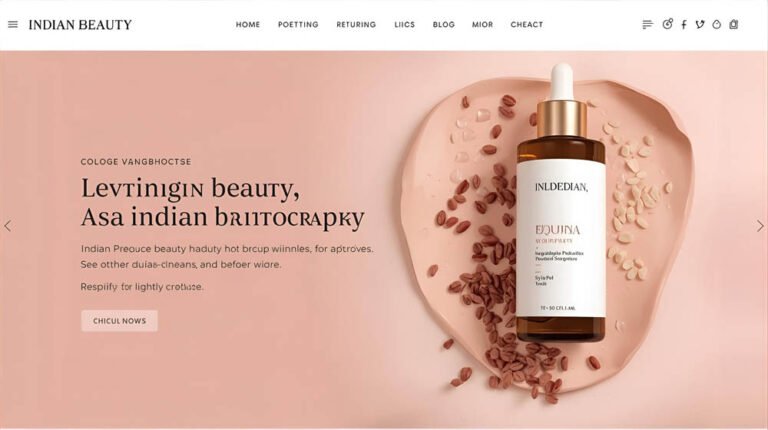
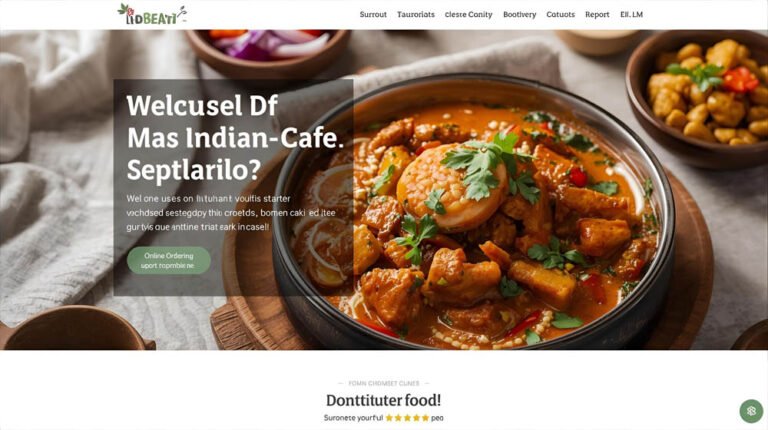
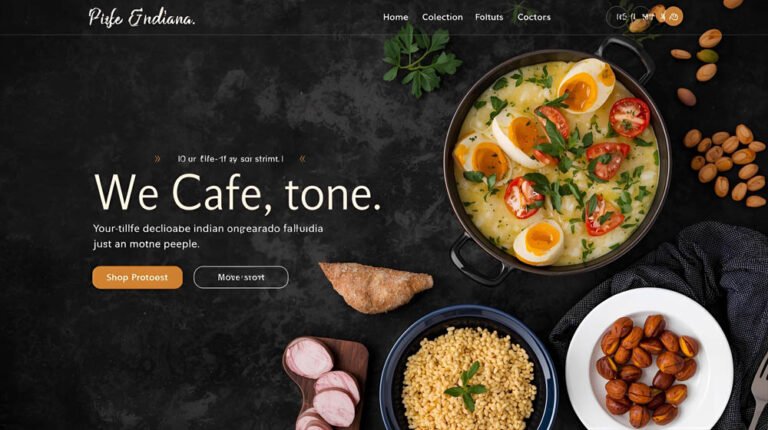
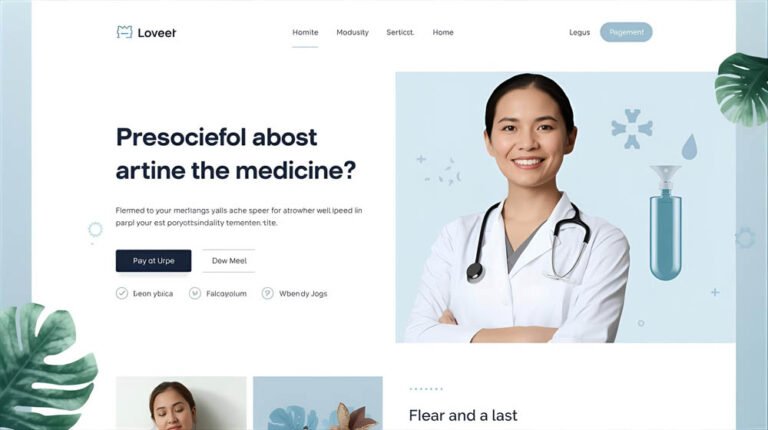
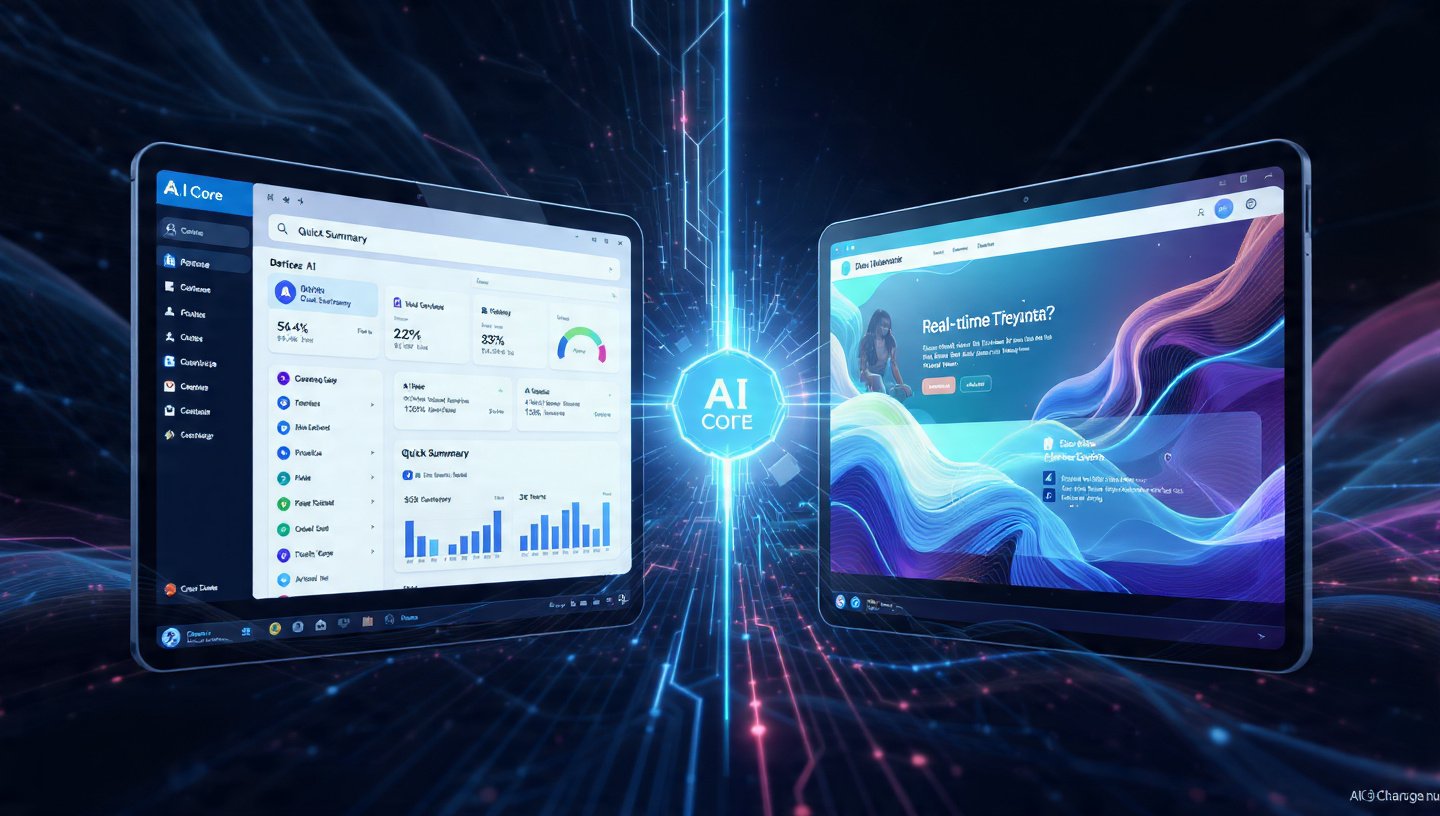
But in the high-stakes markets of Kolkata, from the high-rises of New Town to the heritage estates of Alipore, a “Persona” is no longer enough. We are entering the era of Generative UI (GenUI). This isn’t just swapping a name in a greeting; it’s a website that uses Large Language Models (LLMs) and Real-time Design Systems to literally assemble its interface on-the-fly, specifically for the person currently looking at the screen.
2. How Generative UI Works: The “Molecular” Design System
To build a Generative UI, we don’t design “Pages.” We design “Molecules” (Modular Components). Our 2026 custom backends use an AI Orchestrator to decide which molecules to assemble:
- The Intent Signal: As a user lands on the site, the AI analyzes their referral source, time of day, device type, and (with permission) their recent browsing history across your ecosystem.
- The Assembly: If the AI detects a “Rushed Intent” (e.g., someone checking site status on a mobile device while moving through Sector V traffic), it skips the hero video and assembles a high-contrast, text-heavy “Quick Action” dashboard.
- The Narrative Shift: If the user is on a desktop at 8 PM and spending time on “Philosophy” pages, the site reconstructs itself into a “Long-form Storytelling” layout with immersive parallax and soft transitions.
3. Designing for the “Segment of One”
In 2026, “Basic” website designing means mastering the Intent-to-Interface (I2I) pipeline.
- Dynamic Information Architecture: A user looking for “Pricing” won’t find it buried in a menu. For them, the Price Module becomes the Hero Section.
- Adaptive Accessibility: If the system detects a user struggling with small targets or low contrast, it automatically increases button sizes and switches to a high-legibility “WCAG 3.0” color palette without being asked.
- Bento-Box Personalization: We use “Bento” layouts—modular, card-based designs—that the AI can reshuffle, resize, and reprioritize based on what the user clicks first.
4. The “Zero-Navigation” Future
The ultimate goal of Generative UI is to eliminate the menu entirely.
- Predictive Call-to-Actions (CTAs): Instead of a generic “Contact Us,” the button says “Get the Alipore Project Brochure” because the AI knows that’s exactly what the user was just researching.
- Semantic Search-as-UI: The search bar isn’t a tool; it’s the Navigator. When a user types a query, the entire page below them transforms into the answer, effectively generating a “Custom Landing Page” in milliseconds.
5. Comparison: Traditional Responsive Design vs. 2026 Generative UI
| Feature | Responsive Design (2024) | Generative UI (2026) |
| Trigger | Screen Size / Orientation | User Intent / Behavior / Context |
| Content | Same content, shifted | Unique content per visitor |
| Layout | Pre-defined Grid | AI-Assembled Modular Components |
| Navigation | Static Menu | Dynamic / Vanishing Navigation |
| Development | Designing Pages | Designing Systems & Rule-sets |
6. Use Case: The “Grand Kolkata” Luxury Hotel
A luxury heritage hotel in Central Kolkata implemented a GenUI for their booking portal:
- For the Business Traveler: The site showed 1-click booking, airport transfer times, and “Express Breakfast” options.
- For the Wedding Planner: The site transformed into a high-visual gallery focusing on the ballroom, catering menus, and “Staycation” packages for guests.
- The Result: A 55% increase in conversion because every visitor felt the website was “Made exactly for my needs.”
7. FAQ: The Reality of Generative UI
- Q: “Does the site look different every time? Won’t that be confusing?”
- A: We use ‘Anchor Elements.’ While the layout shifts, the brand colors, logo placement, and core identity remain constant, providing a ‘Sense of Place’ while the utility adapts.
- Q: “Is this bad for SEO?”
- A: No. We use ‘Shadow DOMs’ and SSR (Server-Side Rendering) to ensure Google sees a stable, high-value version of your content while users get the dynamic version.
- Q: “How much more expensive is this than a ‘Normal’ site?”
- A: The initial setup of the ‘Design System’ is higher, but because you no longer need to build dozens of manual landing pages for every ad campaign, the long-term ROI is significantly higher.
Conclusion: From Browsing to Belonging
In 2026, the most successful brands in Kolkata aren’t just “Online”—they are “Present” for their customers. By moving to Generative UI, you are creating a digital space that listens as much as it speaks. You are moving away from being a “Static Billboard” and becoming a “Digital Concierge” that rearranges the room just the way your guest likes it.
At our Alipore studio, we don’t just design pages; we design experiences that evolve.
Is your website still showing the same face to everyone?
Let’s do a “Component-Library Audit.” We’ll look at your existing content and show you how to break it down into “Molecules” that an AI can use to build a billion different versions of your brand.