










1. The Death of the Uniform Web
For thirty years, web design followed a simple rule: build one “Great” version of a site and hope it appeals to everyone. But in February 2026, the “Static Template” is officially dead. A shopper from Park Street has different aesthetic expectations than a wholesale buyer from Burrabazar, even if they are looking at the same product.
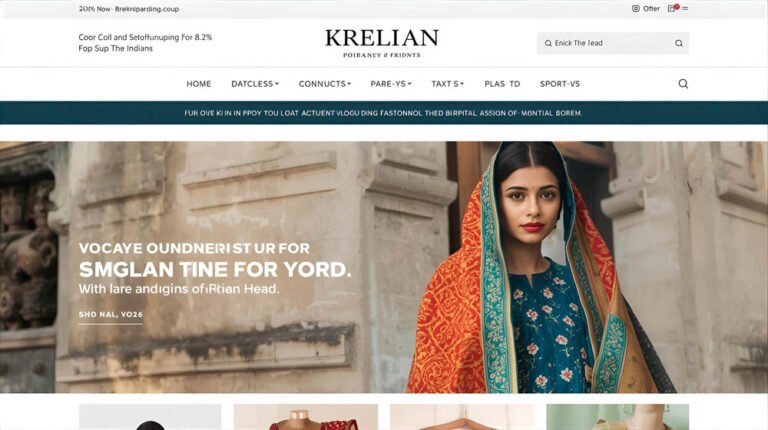
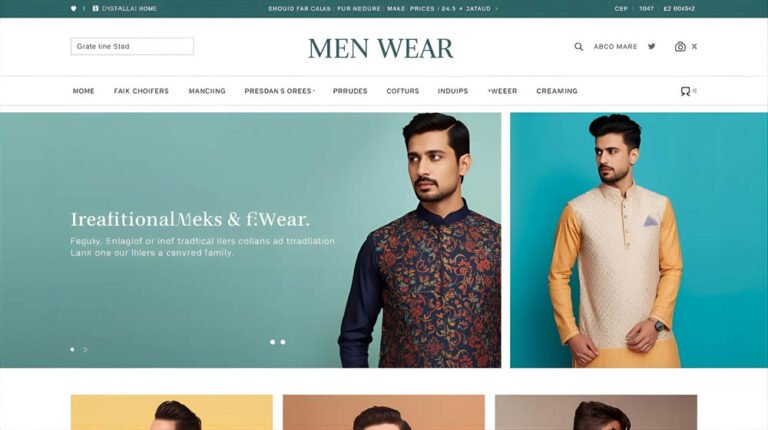
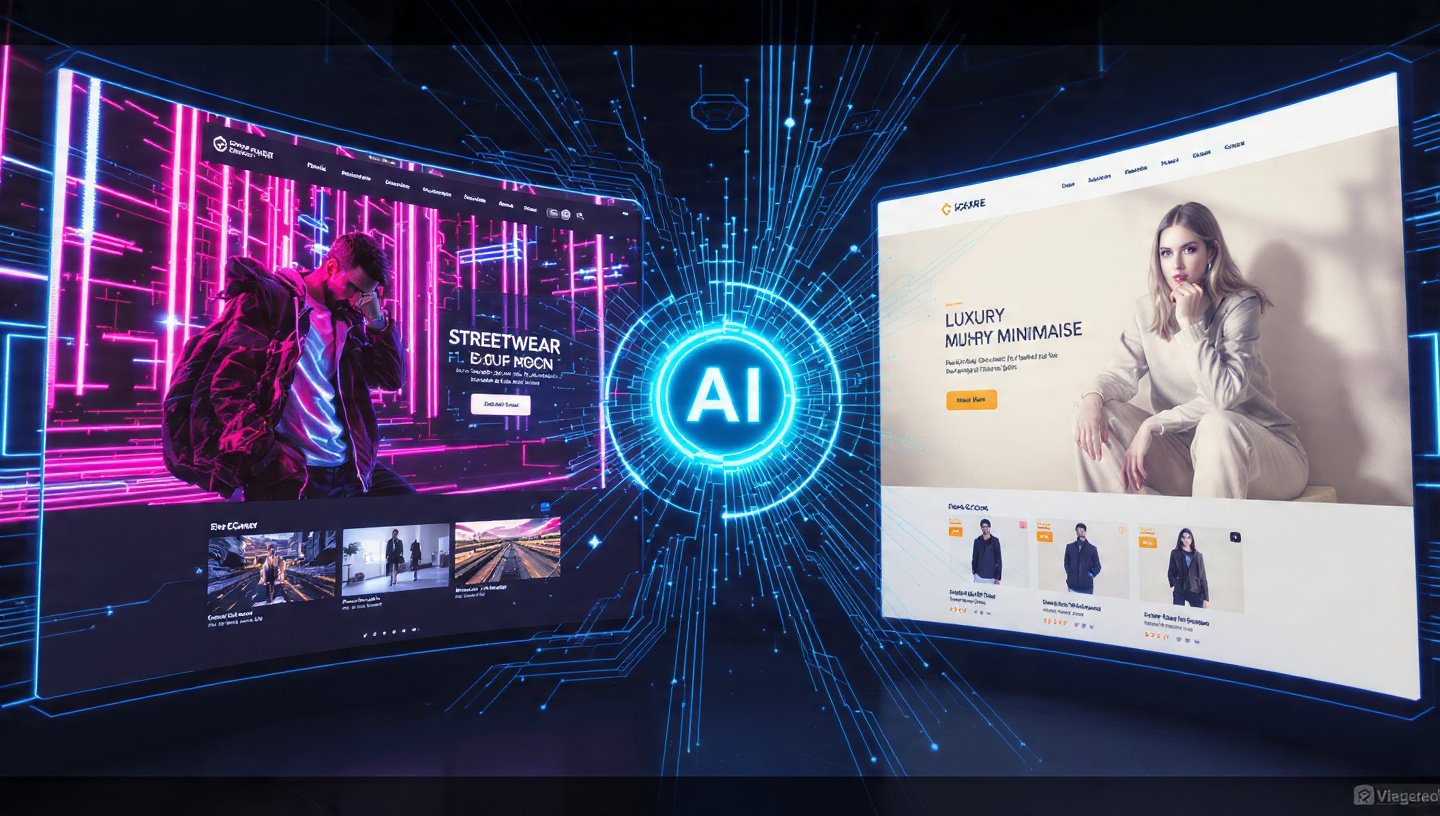
At our Alipore studio, we are pioneering Generative Storefronts. These are websites that don’t just swap out product recommendations; they use Large Graphical Models (LGMs) to literally rebuild the CSS, layout, and imagery of the site the moment a user arrives. This is “Agentic Commerce”—where the website acts as a personal architect for every visitor.
2. How a Generative Storefront Rebuilds Itself
The process happens in milliseconds at the Edge (using Kolkata’s local data nodes):
- Aesthetic Fingerprinting: The AI analyzes the user’s past design preferences (e.g., do they usually interact with dark-mode sites? Do they prefer “busy” or “minimalist” layouts?).
- Real-time Component Assembly: Instead of loading a fixed page, the site pulls from a library of “Fluid Components.” If the user is in a hurry, the AI generates a high-efficiency list view. If they are in a “discovery” mood, it creates an immersive, magazine-style grid.
- Generative Content Synthesis: Product descriptions and hero images are generated on-the-fly. A leather bag might be shown in a “Professional Office” setting for a lawyer, but in a “Chic Cafe” setting for a lifestyle influencer.
3. Beyond “Recommendations”: The Adaptive Purchase Path
In 2026, e-commerce success is measured by “Friction-to-Zero.”
- Mood-Based Navigation: If the AI detects “High Intent” (searching for a specific model), the navigation bar shrinks to highlight only “Compare” and “Checkout.”
- Visual Language Alignment: If the user is a tech-enthusiast, the UI adopts a “Spec-First” design with 3D exploded views and technical charts. If they are a gift-shopper, the UI shifts to “Benefit-First” with emotional storytelling and gift-wrap options.
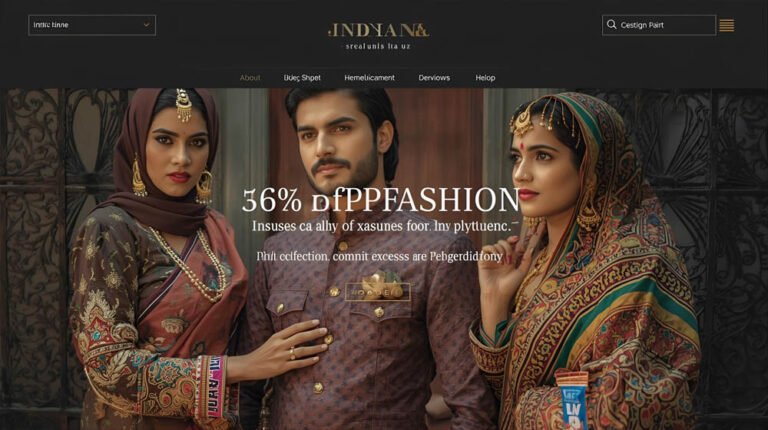
- Local Contextualization: For our Kolkata clients, the AI can even inject local cultural nuances—adjusting color palettes to festive marigolds during Durga Puja or shifting to cool, rain-resistant themes during the Monsoon.
4. Comparison: Traditional Personalization vs. Generative Storefronts
| Feature | Dynamic Personalization (2024) | Generative Storefronts (2026) |
| Visual Layout | Fixed Template | Rebuilt in Real-Time |
| Product Photos | Static Catalog Images | AI-Generated in User-Relevant Context |
| Copywriting | Pre-written snippets | Hyper-Specific to User’s Language/Tone |
| Tech Stack | React/Vue (Hydrated) | Generative WebAssembly (Resumable) |
| Conversion Lift | +5-10% | +30-50% (due to extreme relevance) |
5. Technical Challenges: Speed vs. Creativity
How do we generate a whole new design without a 10-second loading screen?
- Pre-Computed Latents: We don’t generate from scratch; we use “Latent UI Tokens”—pre-optimized design fragments that the AI assembles instantly.
- GPU-Accelerated Browsers: By 2026, most mobile browsers in West Bengal leverage on-device NPUs (Neural Processing Units) to handle the UI rendering locally.
- Resumable State: As discussed in our performance loop, the site “Resumes” its generated state instantly, ensuring no lag between the AI’s decision and the user’s interaction.
6. Use Case: The “Salt Lake” High-End Fashion Hub
A luxury multi-brand boutique in Salt Lake Sector V adopted a Generative Storefront:
- The Problem: Their clientele ranged from 18-year-old hypebeasts to 60-year-old traditionalists. One design couldn’t please both.
- The AI Solution: We implemented an Aesthetic-Aware Engine. 3. The Result: Hypebeasts saw a “TikTok-style” vertical feed with high-contrast motion. Traditionalists saw a “Vogue-style” elegant spread. The boutique saw a 42% increase in Average Order Value (AOV) because the “Environment” finally matched the “Buyer.”
7. FAQ: The Future of Storefronts
- Q: “Does this mess up my brand identity?”
- A: No. We set ‘Brand Guardrails.’ The AI can change layouts and tones, but it must always stay within your core color DNA, logo usage, and brand ‘Soul.’
- Q: “Is it bad for SEO?”
- A: Actually, it’s better. We serve a ‘Canonical Master Version’ to Googlebot for indexing, while users get the generated version. Google rewards the massive boost in ‘Time on Page’ and ‘Interaction Rate.’
- Q: “Can I still track what users are doing?”
- A: Yes. In fact, you get ‘Aesthetic Analytics’—learning which visual styles actually drive the most revenue for your specific audience.
Conclusion: Your Site, Their Way
In 2026, the most powerful e-commerce websites in Kolkata are those that have no fixed identity. They are digital chameleons, shifting their shape to become exactly what the customer needs to see. By moving to a Generative Storefront, you aren’t just selling a product; you are creating a world where every customer feels like the only customer.
At our Alipore studio, we build websites that learn, adapt, and amaze.
Ready to stop being “One-Size-Fits-All”?
Let’s do a “Generative UI Feasibility Study.” We’ll look at your customer data and show you how an AI-driven storefront can turn your “Static Shop” into an “Evolutionary Experience” that converts at levels you never thought possible.