
1. Beyond the Recommendation Engine
For years, personalization meant “Customers who bought this also bought that.” In 2026, we have moved from Historical Data (what they did) to Real-Time Intent (what they want right now).
- Agentic AI: Modern AI “agents” on your site don’t just look at past orders. They analyze how a user is moving their mouse, which images they hover over, and even the local weather in Kolkata to adjust the storefront instantly.
- The “Now” Factor: If it’s a humid, rainy afternoon in North Kolkata, your fashion site should automatically prioritize waterproof footwear and breathable cottons on the homepage for local visitors.
2. The “Store of One” Framework
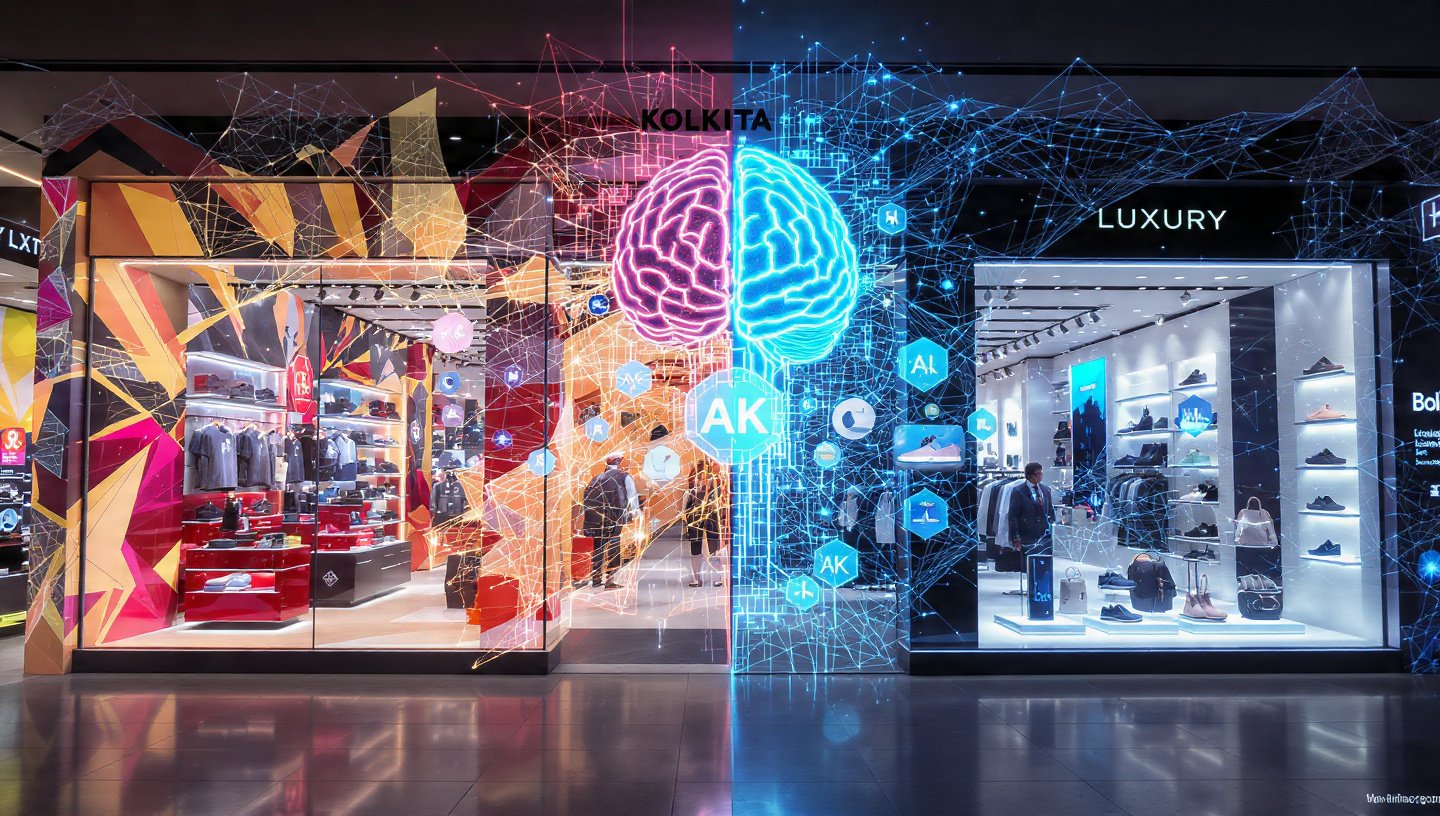
By 2026, your website is no longer a static set of pages. It is a collection of Atomic Components that the AI reassembles on the fly.
A. Dynamic Homepages
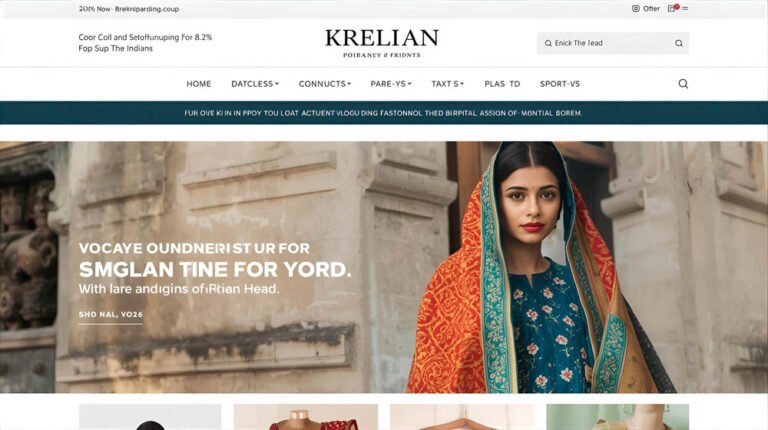
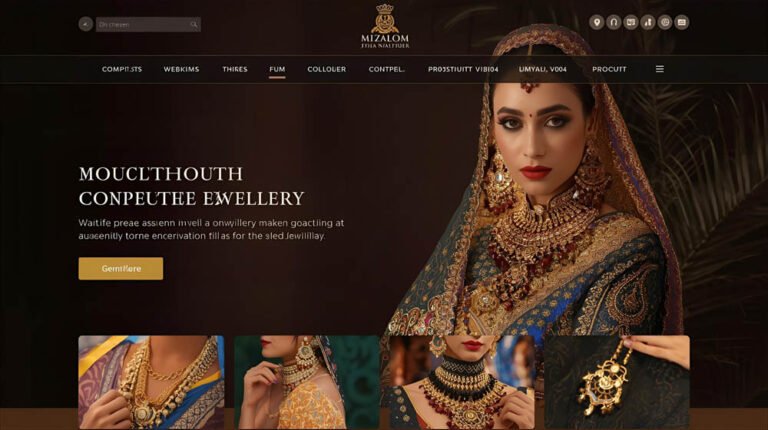
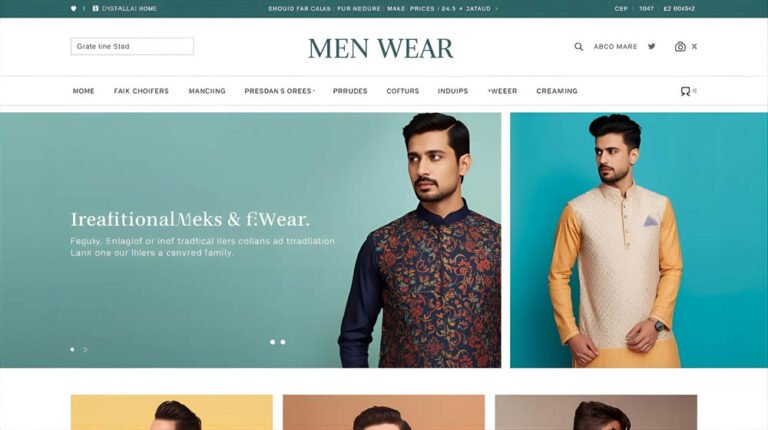
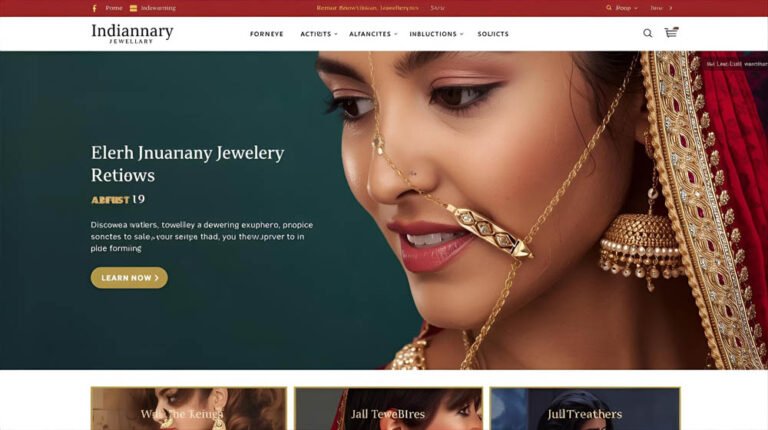
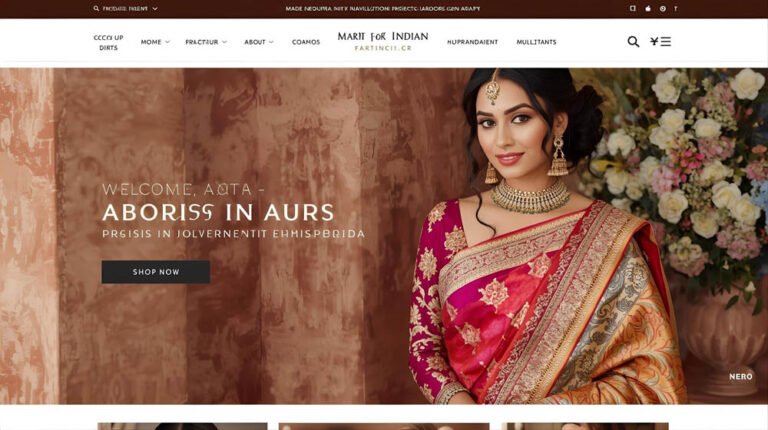
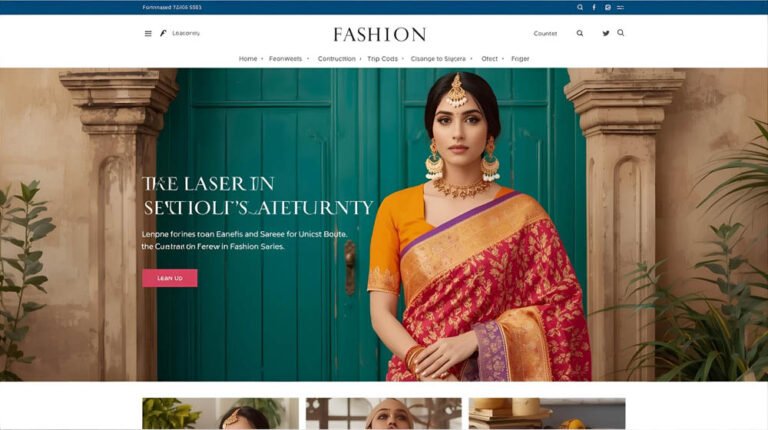
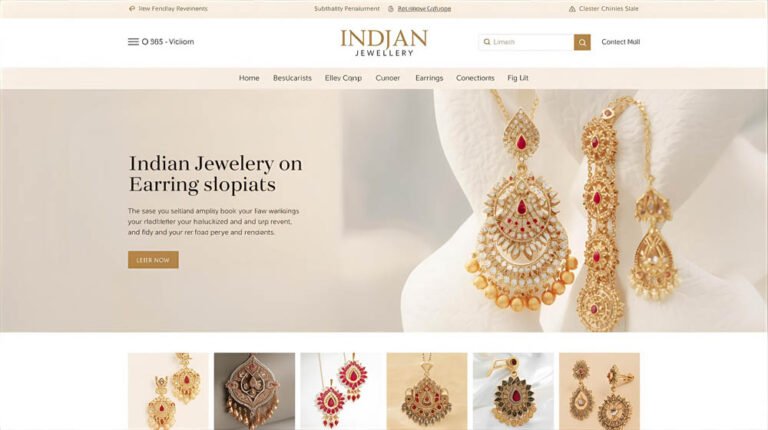
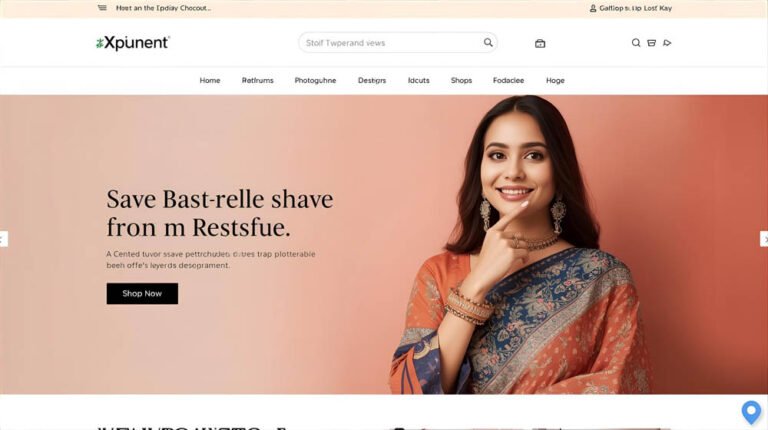
A first-time visitor from New Town sees your “Best Sellers” and a “Welcome Discount.” A returning VIP customer from Alipore sees a “Welcome Back” message, their loyalty point balance, and a curated “Style Feed” based on their specific taste.
B. Intent-Based Search
In 2026, search is conversational. If a user types “outfit for a wedding,” the results shouldn’t just be a list of sarees. The AI should ask, “Is it a morning or evening ceremony?” and then filter the results based on the user’s previously known color preferences.
C. Personalized Pricing & Offers
Using Predictive Analytics, you can offer a 10% discount only to users the AI identifies as “likely to bounce,” while showing a “Limited Edition” upsell to your most loyal fans.
3. The “Zero-Party Data” Pact
With 2026 privacy laws like the DPDP Act, “creepy” tracking is out. The new gold standard is Zero-Party Data—information the customer willingly gives you.
- The Micro-Quiz: Instead of a generic popup, use a 30-second “Style Quiz.”
- “What’s your skin type?”
- “Do you prefer modern or traditional designs?”
- The Reward: Once they answer, the entire site must reflect those choices. If they say “Oily Skin,” they should never see a product for “Dry Skin” on their main feed again.
4. Comparison: Personalization 2020 vs. 2026
| Feature | 2020 Personalization | 2026 Hyper-Personalization |
| Data Source | Third-party cookies (tracking). | Zero-party data (conversations). |
| Timing | Delayed (email follow-ups). | Instant (real-time UI shifts). |
| Logic | “If-Then” rules (Manual). | AI Predictive Agents (Autonomous). |
| Scope | Product widgets only. | Entire site layout and pricing. |
5. Tools for the 2026 Personalization Stack
You don’t need a million-dollar budget to do this in Kolkata anymore.
- Shopify Merchants: Use Rebuy or Nosto for AI-driven “smart” carts and homepages.
- WooCommerce/WordPress: Use AI Engine or Retainful to automate behavioral triggers.
- Omnichannel: Tools like Klaviyo (for email/SMS) now sync perfectly with your website to ensure the message they see in their inbox matches exactly what they see on your site.
6. The “Anti-Creep” Rule
In 2026, transparency is your best marketing tool.
- UI Cues: Add small notes like “Recommended because you liked Floral Prints” or “Showing summer collection based on the weather in Kolkata.”
- Control: Always give users a “Reset My Preferences” button. Trust is built when the user feels in control of the AI, not hunted by it.
7. FAQ: Starting with Hyper-Personalization
- Q: Does this slow down my website?
- A: In 2026, we use Edge Personalization. The “decisions” are made on servers physically located in or near Kolkata, so the page feels instant.
- Q: Is it okay for small businesses?
- A: It’s essential for small businesses. You can’t outspend the big giants on ads, but you can “out-care” them by providing a more relevant, boutique-like experience.
- Q: How much data do I need to start?
- A: Start with just 3 triggers: Location, Device Type (Mobile/Desktop), and Browsing Category. That alone will put you ahead of 80% of your competitors.
Conclusion: From Shopkeeper to Concierge
The 2026 Kolkata shopper is busy, distracted, and picky. They don’t want to “search” your site; they want your site to “find” them. Hyper-personalization turns your website from a passive catalog into an active digital concierge that knows exactly what they need before they even ask.
At our Alipore studio, we specialize in “Dynamic UX.” We don’t just design pages; we build AI-powered frameworks that adapt to every single visitor.
Ready to stop showing the same store to everyone?
Request a “Personalization Roadmap.” We’ll analyze your customer segments and show you the 3 “Quick Win” dynamic elements you can add to your site this month to boost your conversion rate instantly.